
Tray
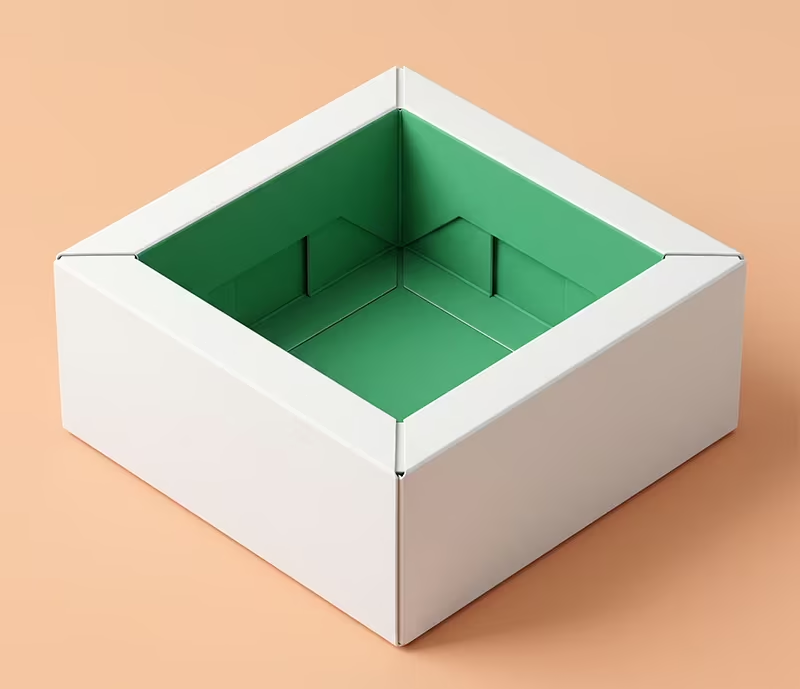
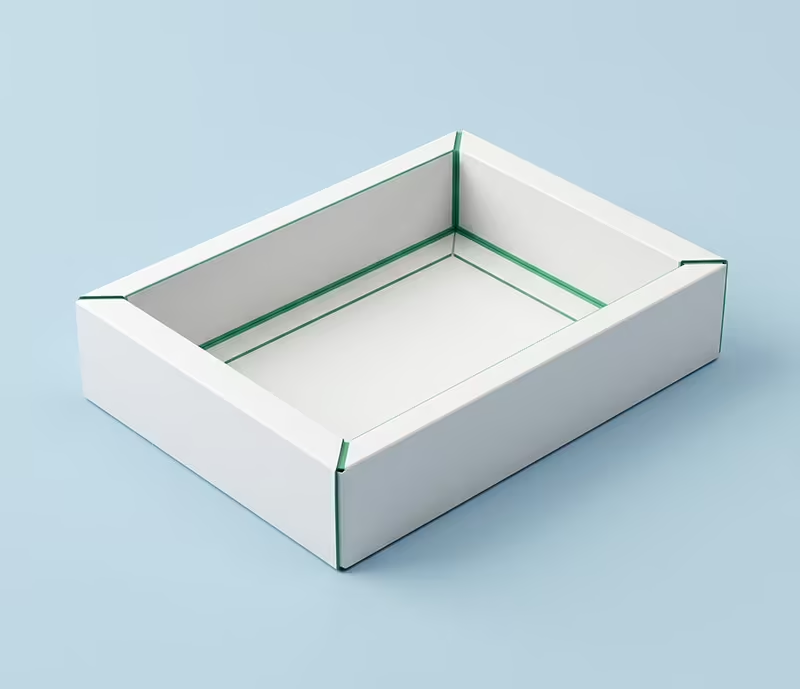
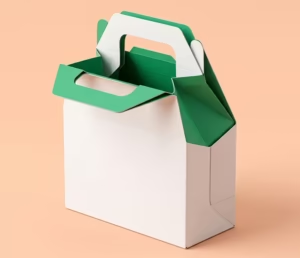
Box Tray packaging is also a high-quality structural design that is used for the packing of various products and functionalities like organizing, keeping safe and displaying. Designed by Boxo Packaging to meet your custom needs, these complementary solutions provide both premium material selections and finishing techniques that enhance branding, optimize...

Get A Custom Quote
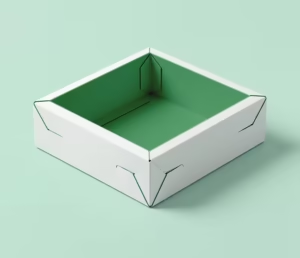
Understanding the Box Tray Structure
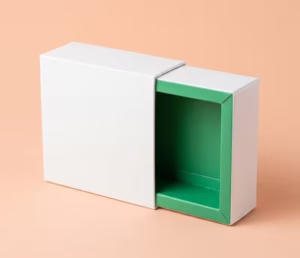
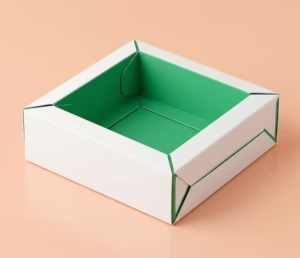
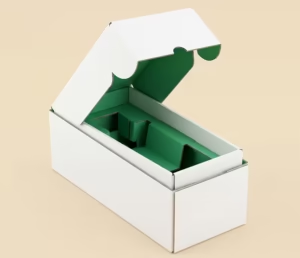
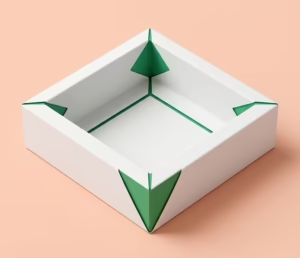
A Box Tray is an essential packaging format composed of a flat bottom with upswept sides, intended for the containment and arrangement. Usually paired with an outer sleeve or a lid, it allows an elegant presentation class that takes the retail experience to another level. This design is rather favored across the world, from luxury electronics and cosmetics through to gourmet confectionery, for reasons of structural integrity and bending versatility.
Key Benefits of Custom Trays
Incorporating a distinct packaging style for trays into your product strategy can result in a number of significant operational as well as branding benefits. Correctly designed, it closes the gap between secure logistics and superior visual marketing.
- Product Safety: Custom-fitting structures minimize the likelihood of items moving, bumping into one another, or getting damaged while being transported.
- Visually Impactful: Eye-pleasing display of the products immediately after peeling the tape off for a big bang moment.
- Warehouse of Paper Options: It can be produced from solid paperboard, corrugated cardboard or light kraft paper, according to its durability level.
- Green Technologies: Present in world-class recyclable & compostable materials for sustainable business stakeholders.
Designing a Functional Box Tray
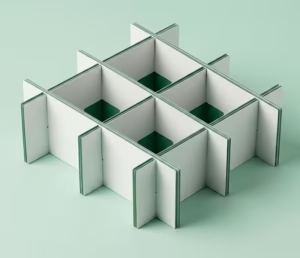
The design of a Box Tray utilizes careful consideration of both internal dimensions and the external appearance. The walls may need to be higher, depending on the depth of the product we are storing, to allow no space to move around without causing tipping issues. In high-end presentations, Styrofoam, molded pulp, or cardboard structural inserts can also be incorporated into the Box Tray to separate individual items in a single package.
Material and Customization Options
The hosting substrate that you choose has an impact on both the touch and feel of your packaging as well as the project duration. Brands can select custom thicknesses and finishes at Boxo Packaging.
Here are some common decorative processes applied to a Box Tray:
- Embossing/Debossing: It is used to add dimension with physical changes in the brand logo or pattern
- Foil Stamping: Adds shiny metal effects either in a gold, silver or rose gold color for an elegant look.
- Lamination (matte or gloss): A coating that helps protect the card in a way that impacts how light reflects off and interacts with it.
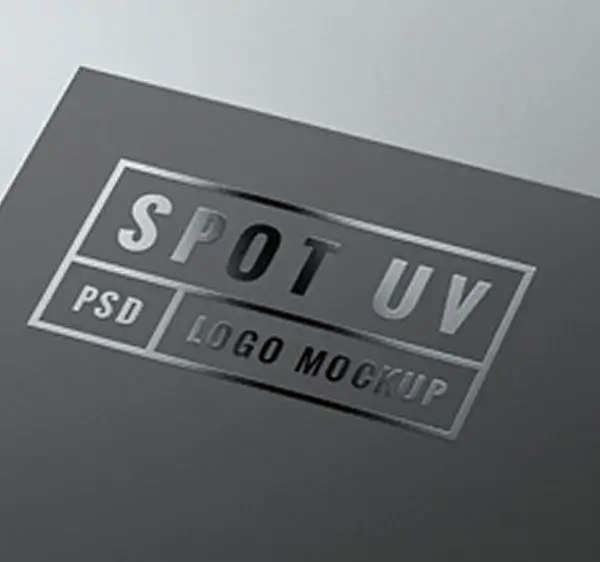
- Spot UV Coating: Spot UV adds a shiny or glossy finish to specific areas of your printed material, providing a strong contrast against the rest of the product, which is typically matte.
A thoughtfully made box tray, after all, should feel like it belongs to the product itself.
Feedback From Our Valuable Customers
Every journey is different, but the desire to grow is universal. Hear directly from our customers how Boxo Packaging gave their story a beautiful cover and turned their vision into success.
View All ProductsPackaging Customization Options
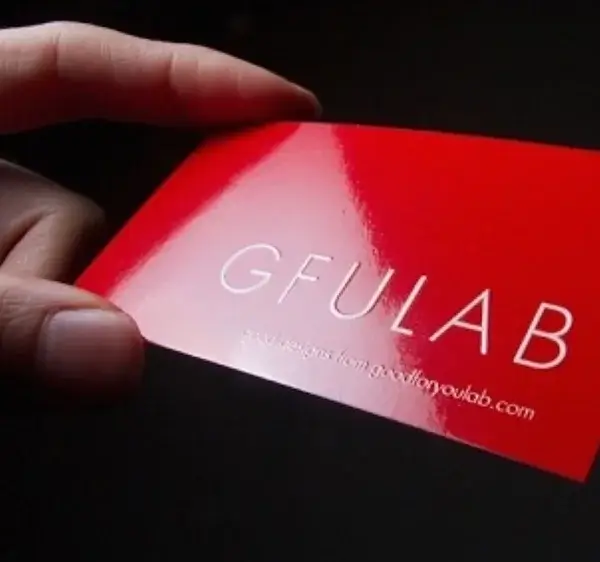
Gloss Coating
Shiny and vibrant finish that makes colors pop.
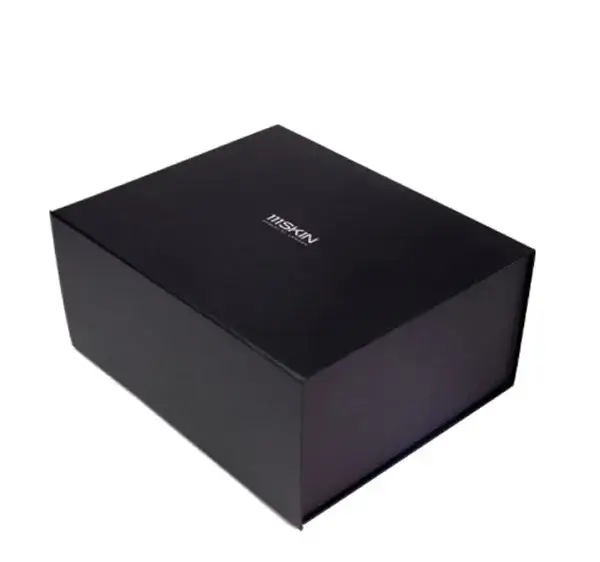
Matte Coating
Smooth, non-glossy look for an elegant feel.
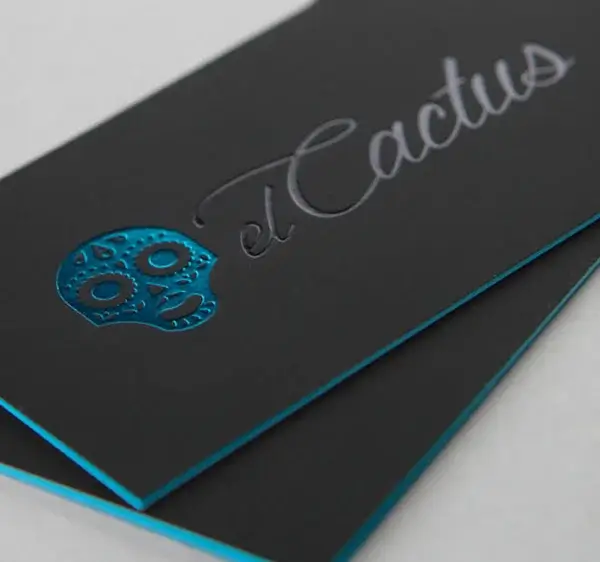
Soft-Touch Coating
Velvety texture that feels premium and smooth.
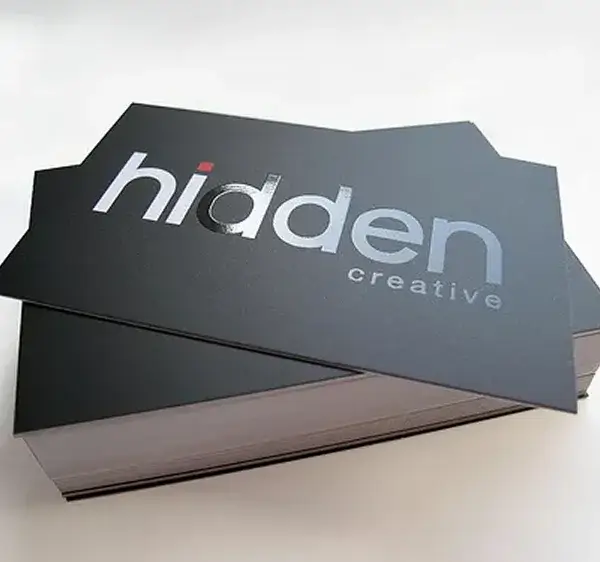
UV Coating (Spot or Full)
Glossy layer that highlights specific areas or the whole box.
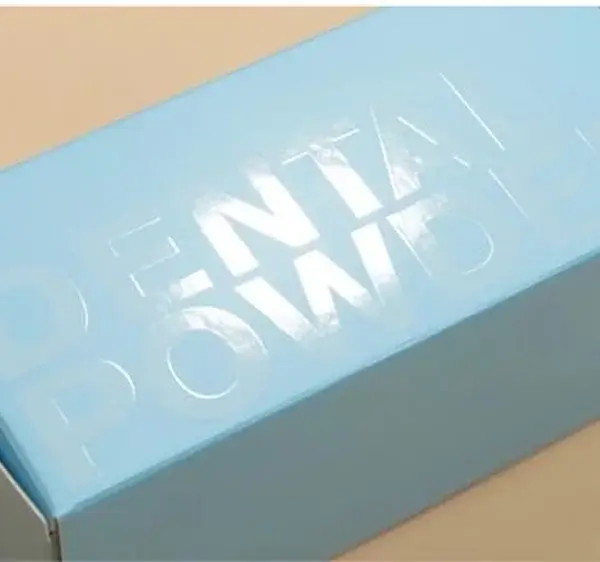
Aqueous Coating
Eco-friendly, water-based protection with a soft sheen.
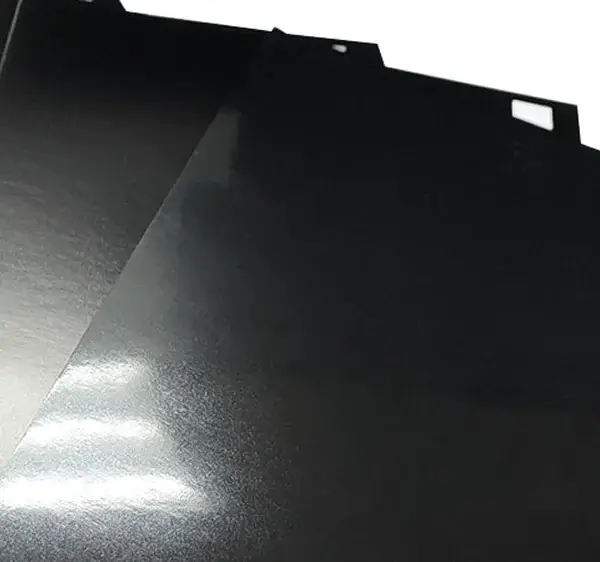
Varnish Coating
Adds a protective layer with mild shine or matte effect.
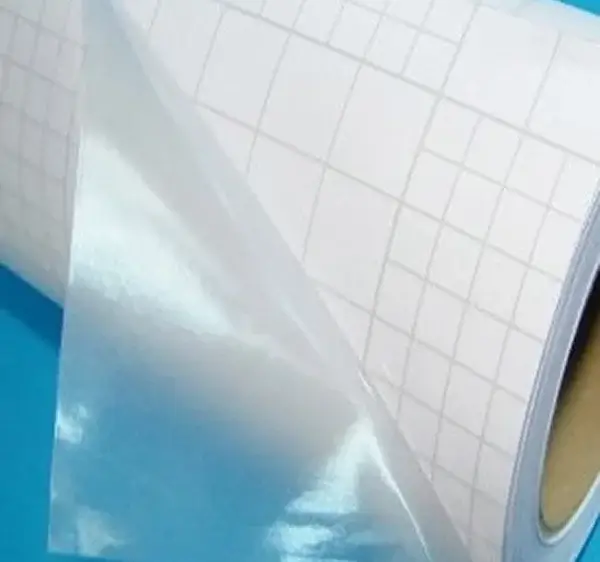
Gloss Lamination
Plastic film for extra shine and durability.
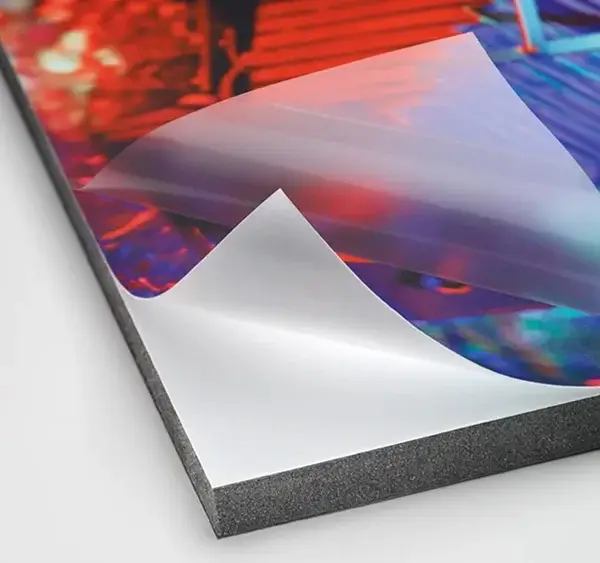
Matte Lamination
Plastic film with a flat, refined appearance.
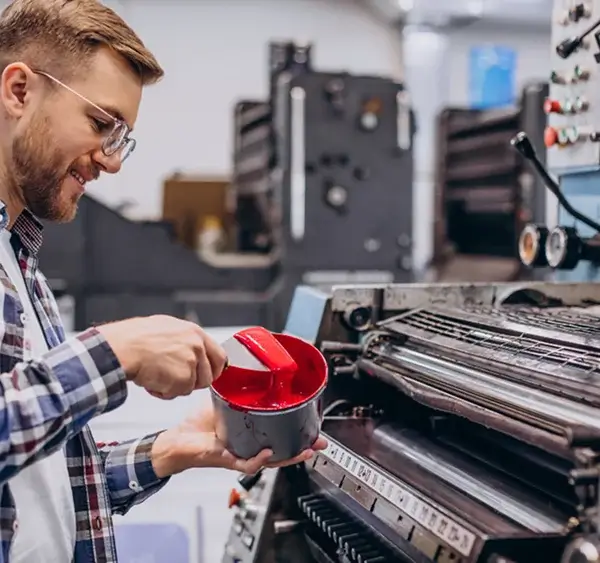
Offset Printing
High-quality, detailed printing for large quantities.
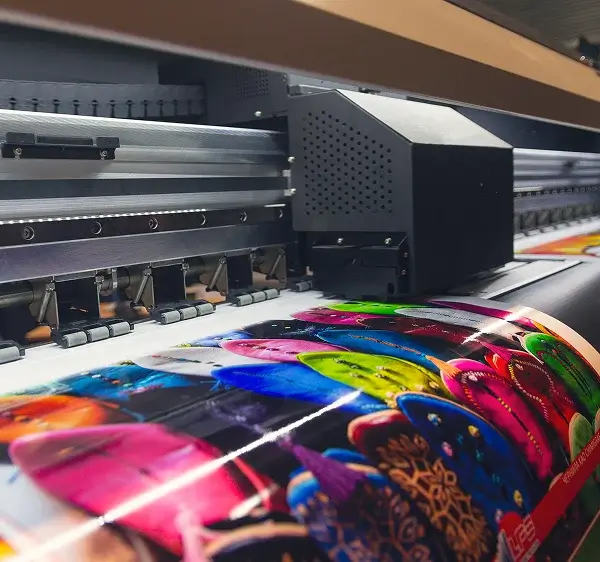
Digital Printing
Cost-effective and fast option for small runs or samples.
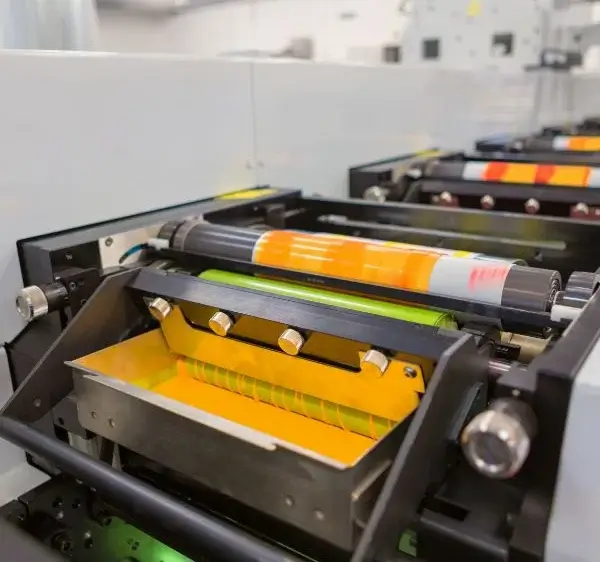
Flexographic Printing
Used for bulk packaging; great for simple designs and logos.
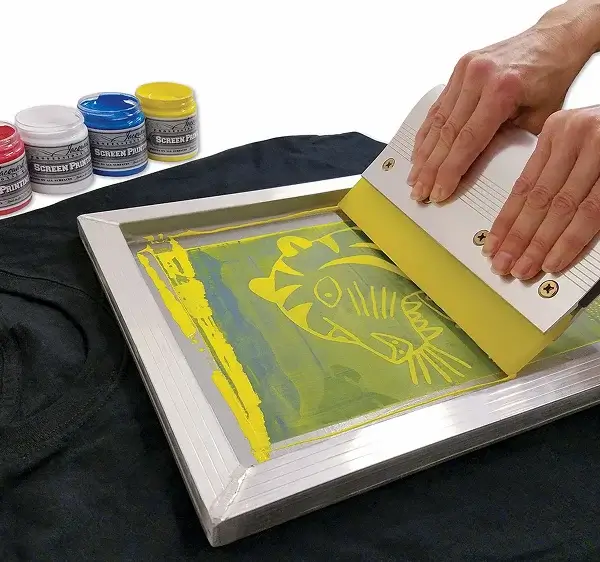
Screen Printing
Ideal for bold colors and textured finishes.
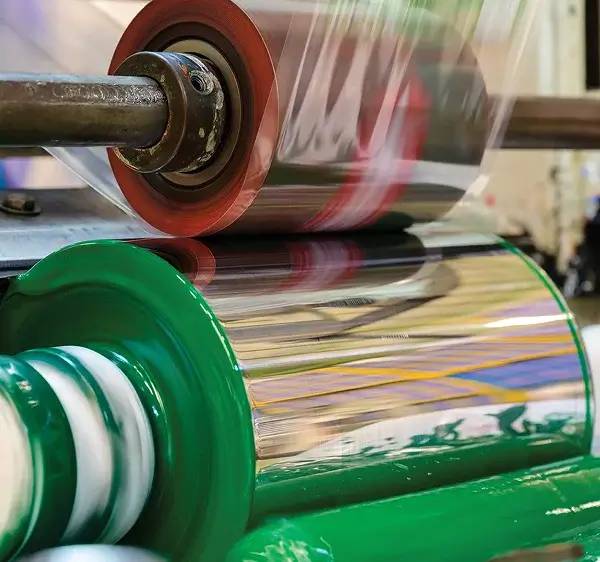
Gravure Printing
Premium-quality printing for very high-volume production.
UV Printing
Uses UV light to dry ink instantly for sharp and vibrant results.
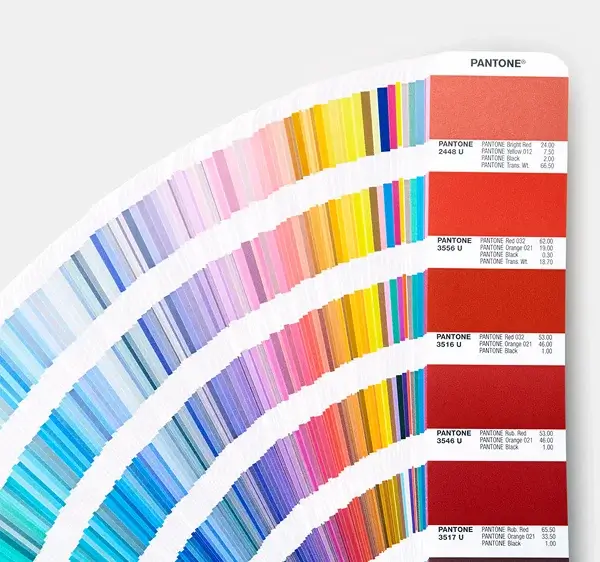
Pantone (PMS) Printing
Ensures exact color matching for brand consistency.
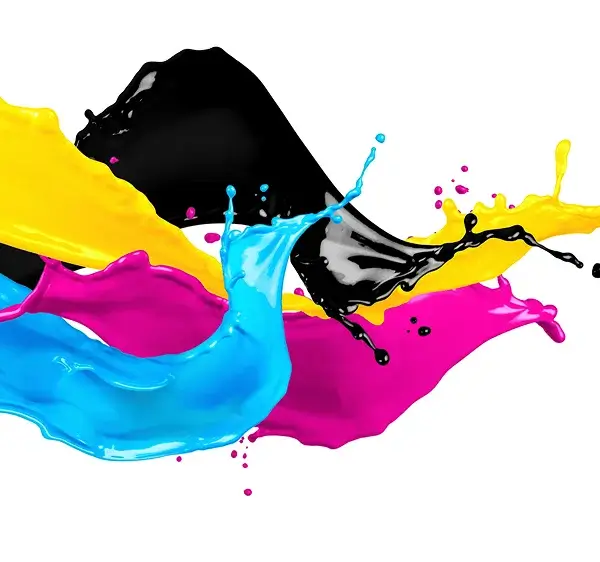
CMYK Printing
Standard full-color printing for detailed images and gradients.
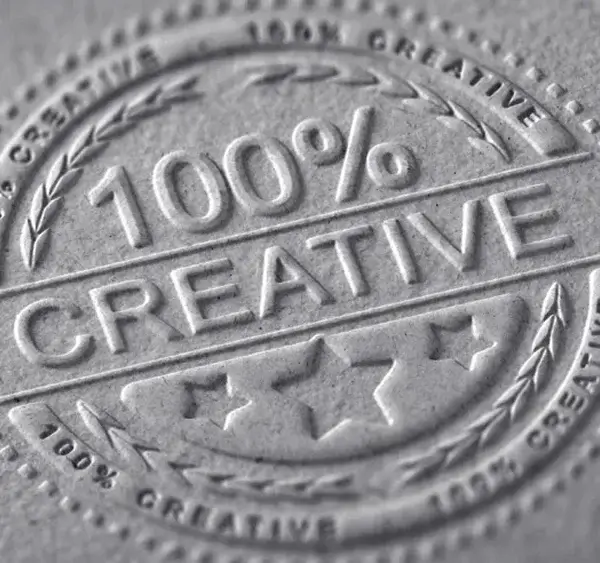
Embossing
Raises parts of the design for a 3D textured effect.
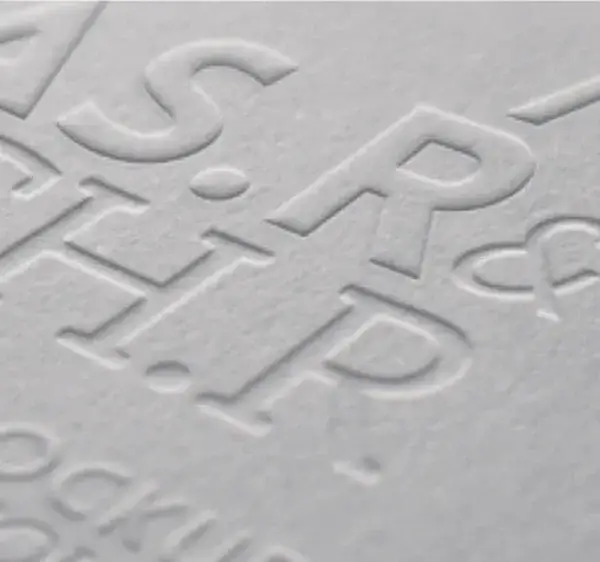
Debossing
Presses the design into the surface for a recessed look.
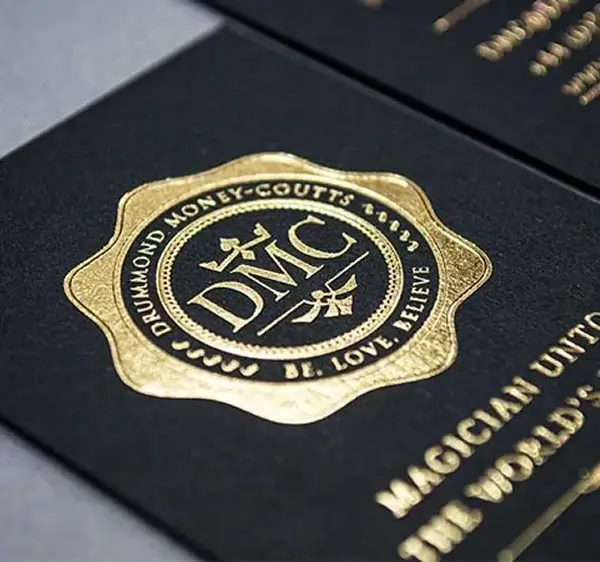
Foil Stamping
Adds metallic or colored foil for a shiny, luxurious touch.
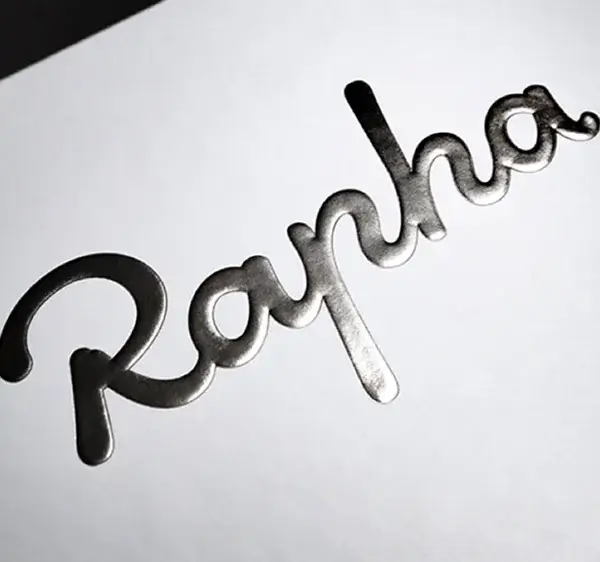
Raised Ink Printing
Gives a slightly lifted texture to printed elements.
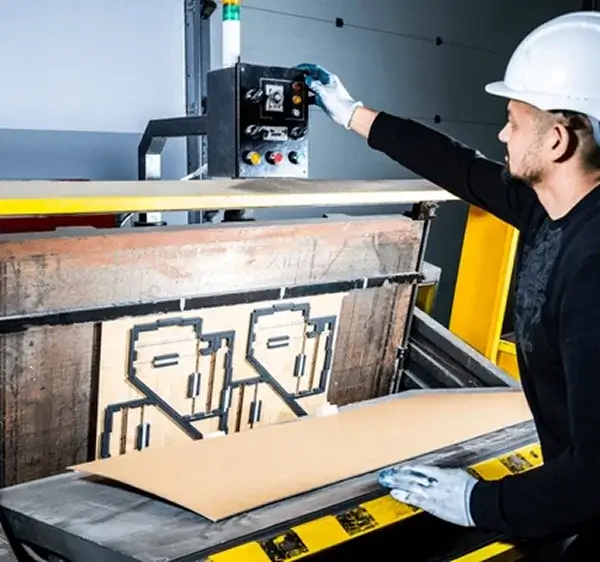
Die Cutting
Creates custom shapes, windows, or patterns on boxes.
Spot UV
Applies glossy UV coating to highlight specific areas.
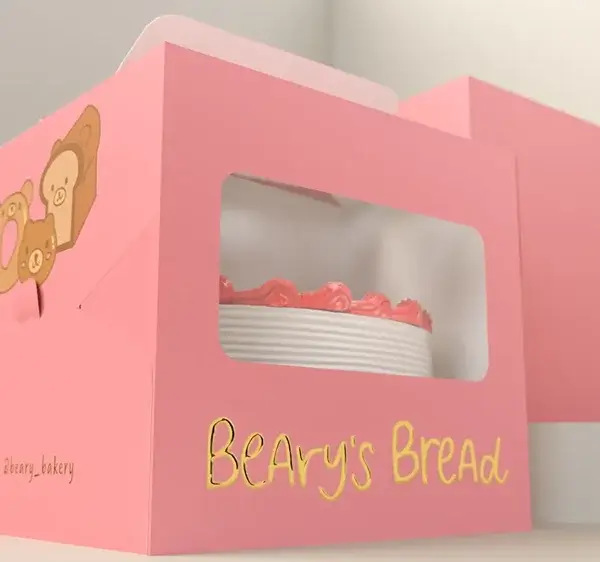
Window Patching
Adds a clear window to display the product inside.
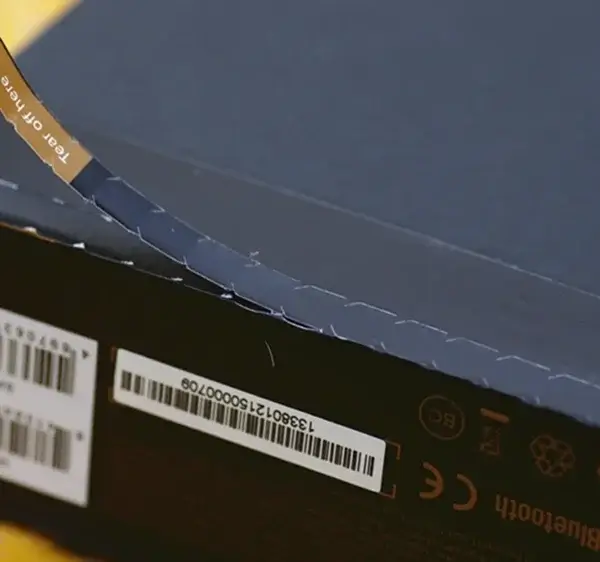
Perforation
Makes easy-tear or fold lines on packaging.
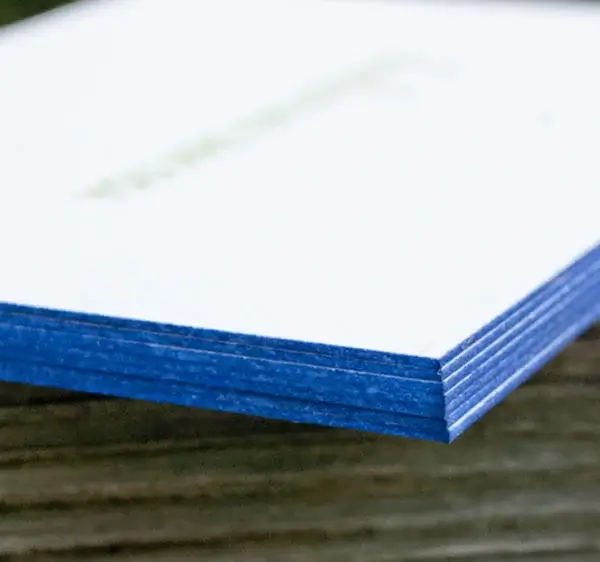
Edge Painting
Colors the edges of boxes for a unique, premium look.
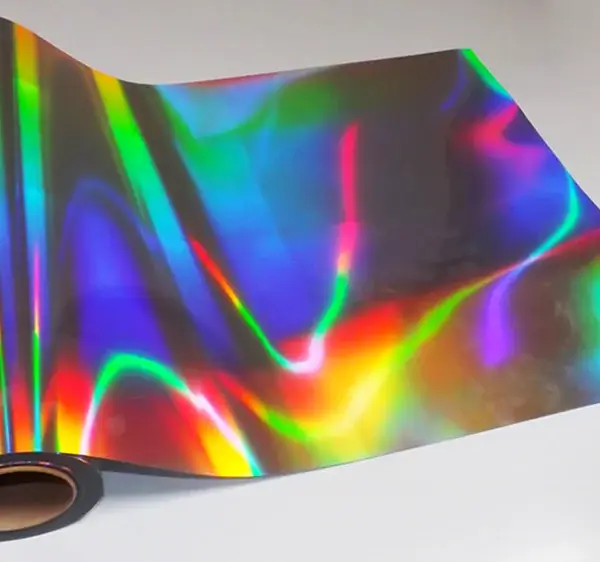
Holographic Finish
Adds a rainbow-like, reflective effect for an eye-catching design.
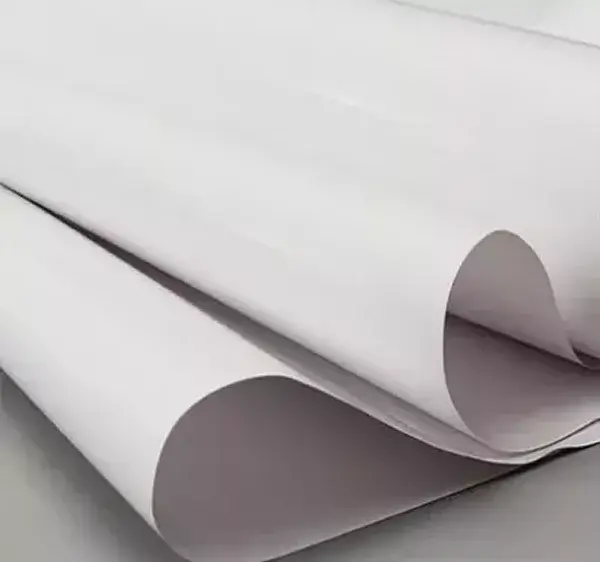
White Card (C1S / C2S)
Smooth, high-quality white surface coated on one or both sides.
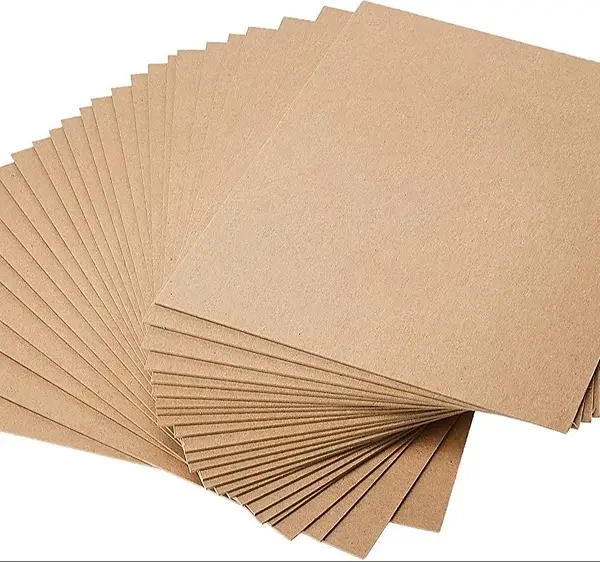
Kraft Paperboard
Eco-friendly brown board with a natural, rustic look.
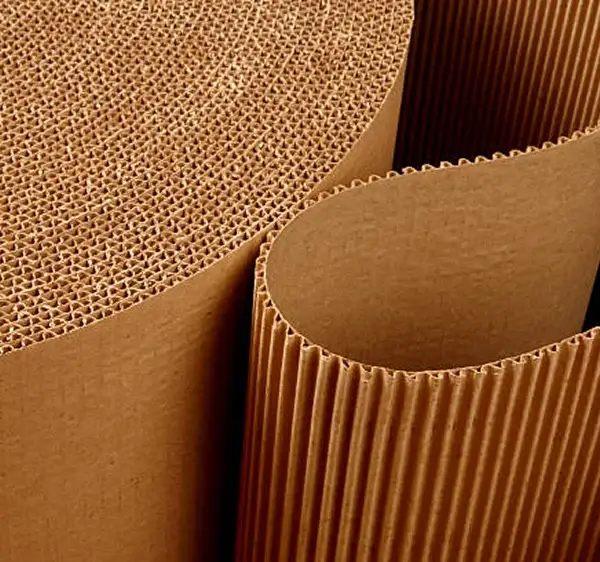
Corrugated Board
Strong, multi-layer board ideal for shipping or heavy products.
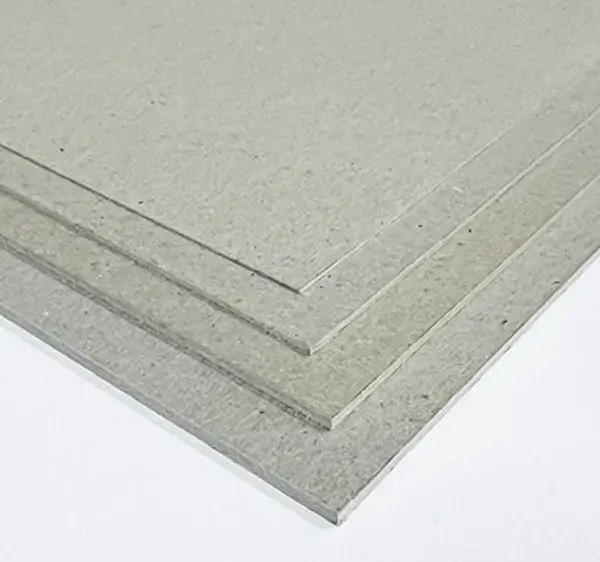
Rigid Board (Chipboard)
Thick, durable board used for luxury or gift boxes.
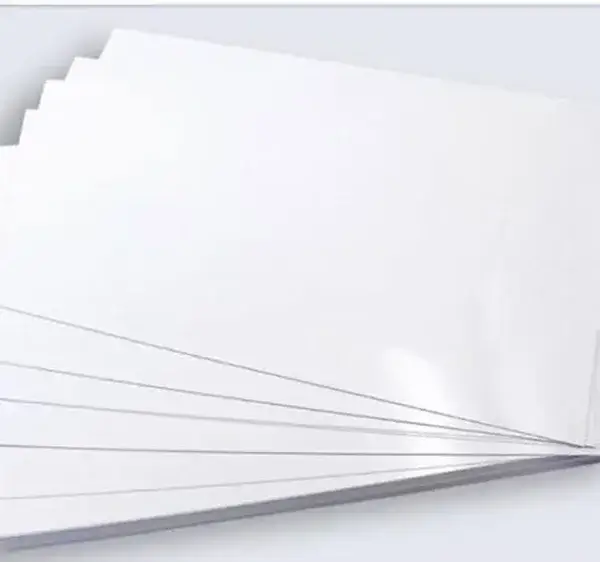
Art Paper
Smooth and glossy paper suitable for premium printing.
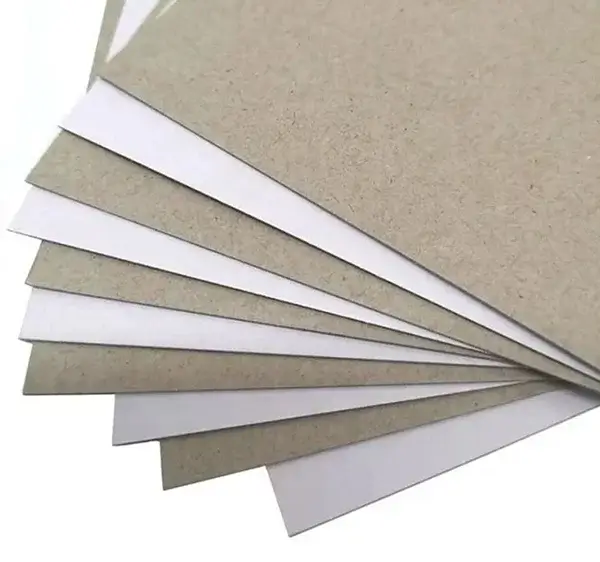
Duplex Board
White front and grey back; affordable and sturdy option.
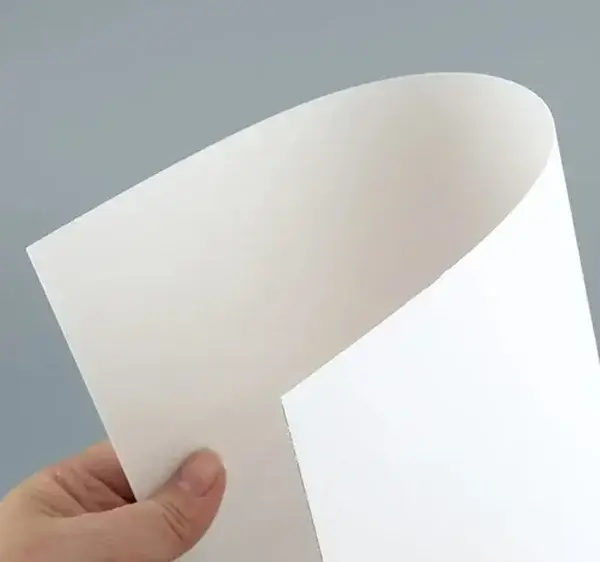
SBS (Solid Bleached Sulfate)
Bright white, high-end paperboard with great print quality.
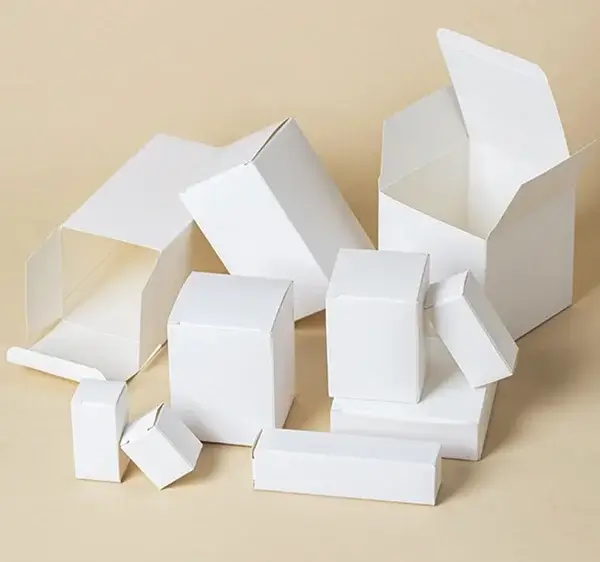
FBB (Folding Box Board)
Lightweight yet strong board perfect for retail boxes.
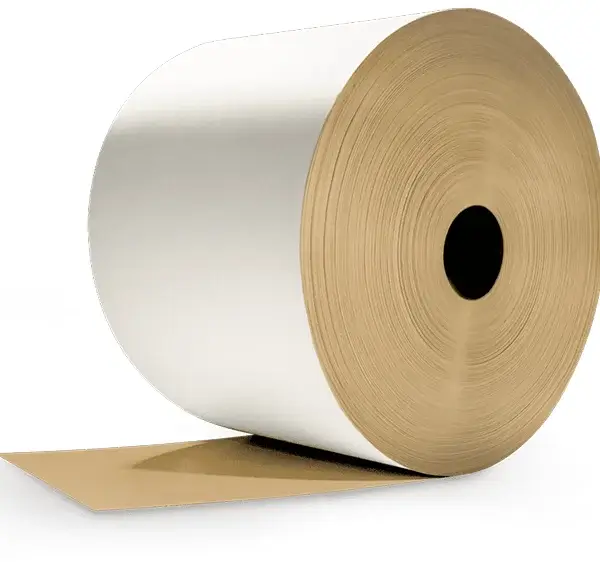
Recycled Paperboard
Made from post-consumer waste; eco-conscious choice.
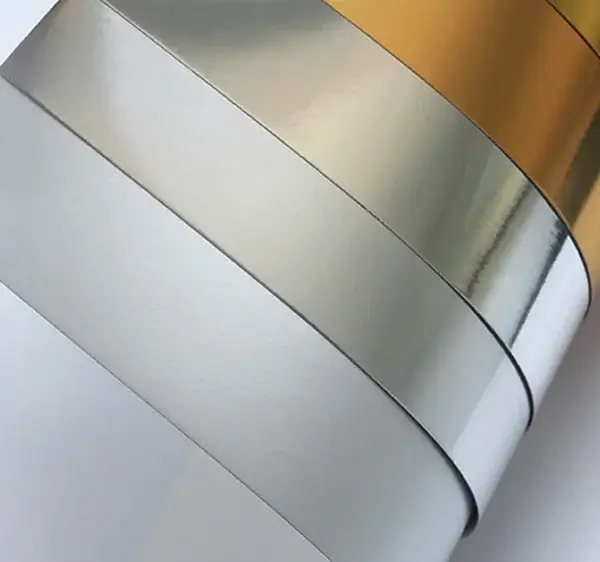
Metallic Paperboard
Shiny or reflective surface for a premium appearance.
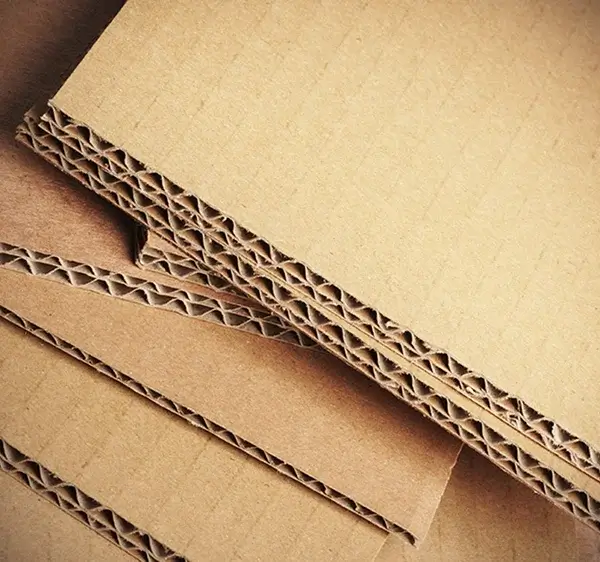
Cardboard
Lightweight and versatile material for retail packaging.
Corrugated Board
Durable, multi-layer material used for shipping boxes.
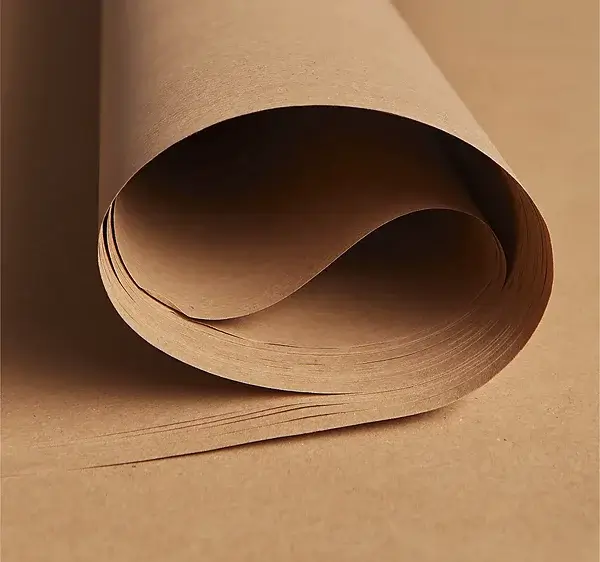
Kraft Paper
Eco-friendly brown paper with a natural, organic look.
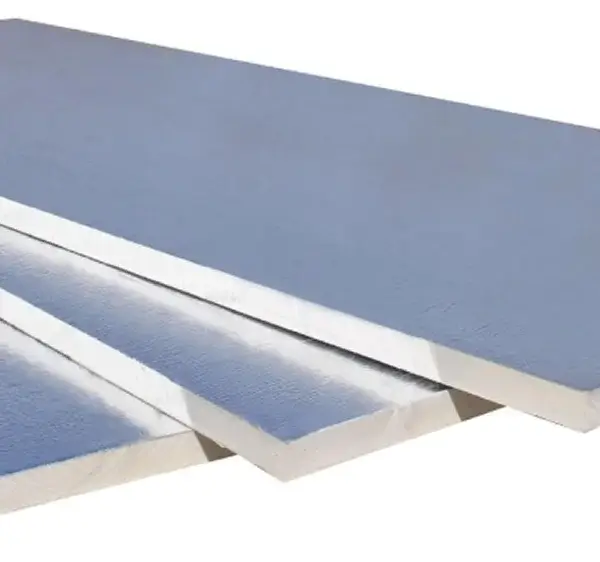
Rigid Board
Thick and sturdy material ideal for luxury or gift boxes.
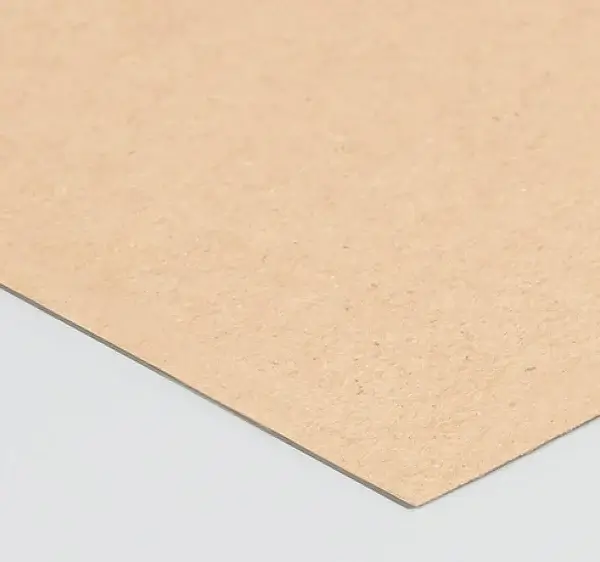
Paperboard
Smooth and printable material used for most retail boxes.
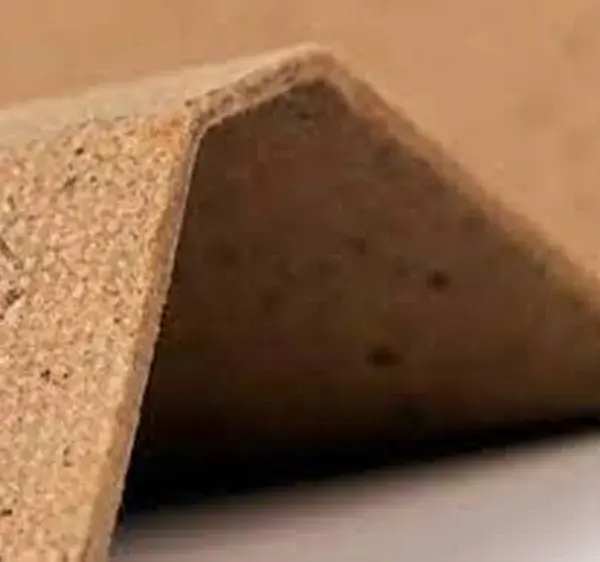
Recycled Material
Made from reused paper fibers; sustainable and cost-effective.
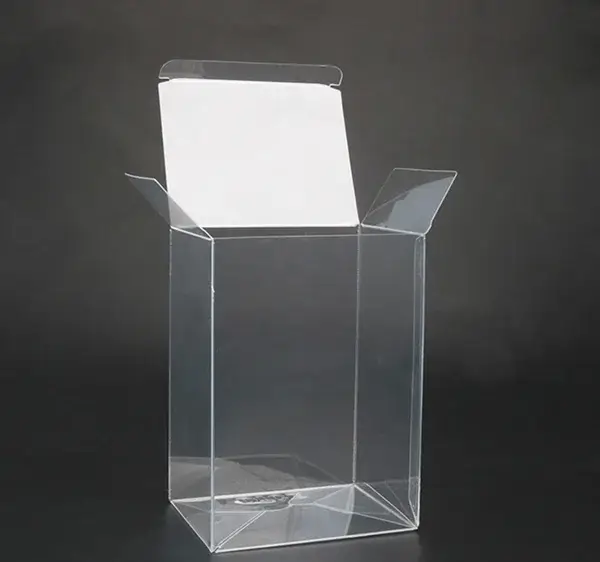
Plastic (PET / PVC)
Transparent or colored material for window or display boxes.
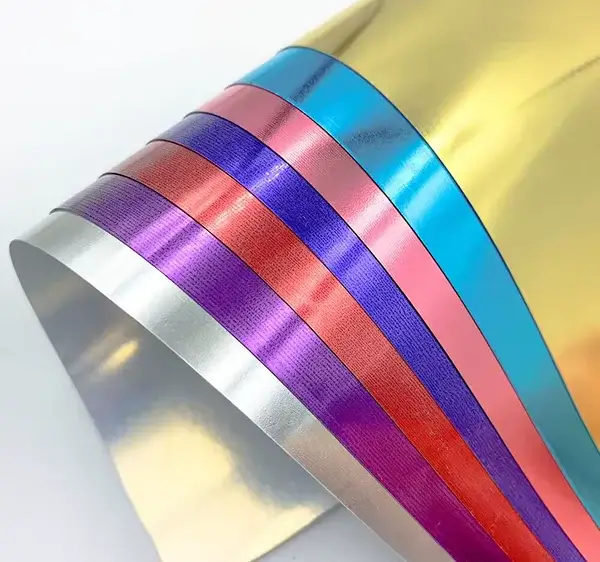
Metallic Paper
Shiny, reflective material for premium packaging.
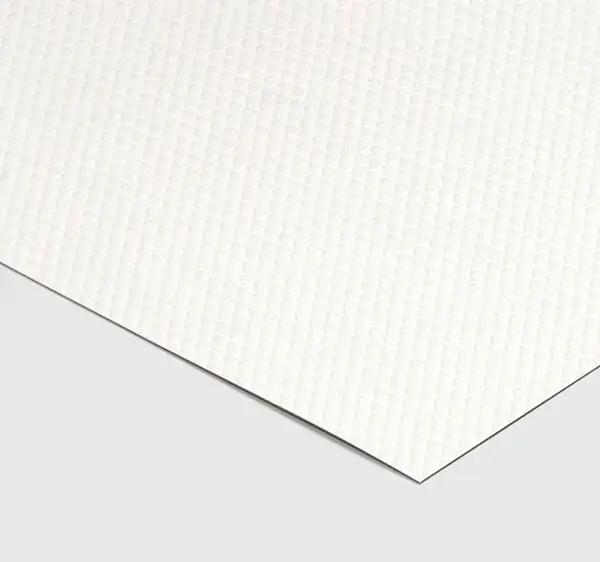
Textured Paper
Special surface finish that adds a unique tactile feel.
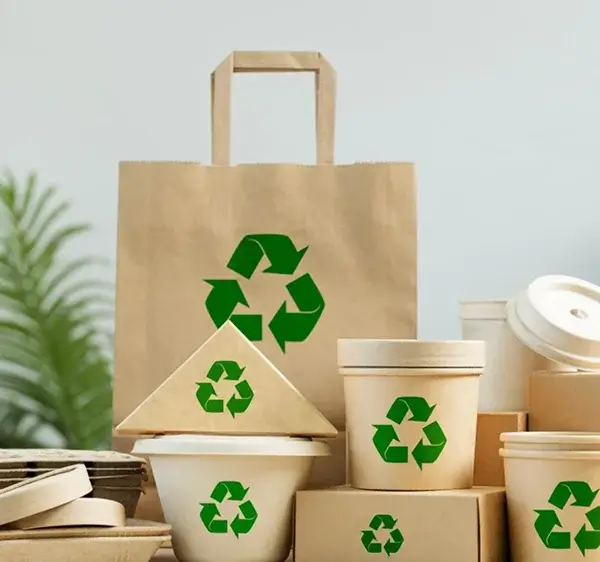
Eco-Friendly / Biodegradable Material
Environmentally safe and compostable option.
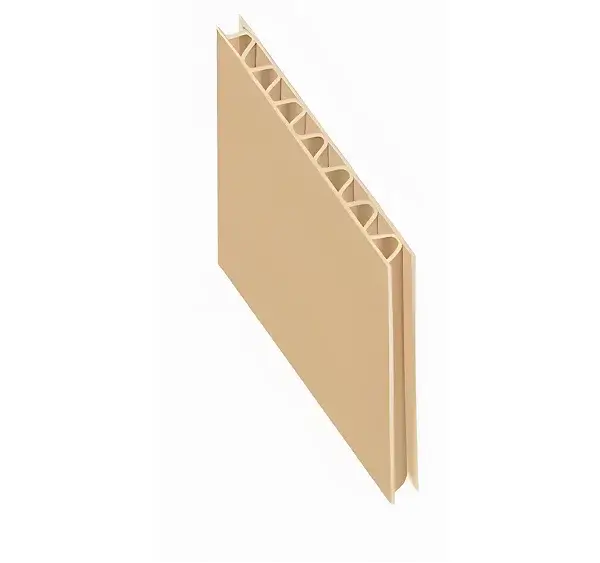
Single Wall (3-Ply)
Most common choice for shipping and retail boxes.
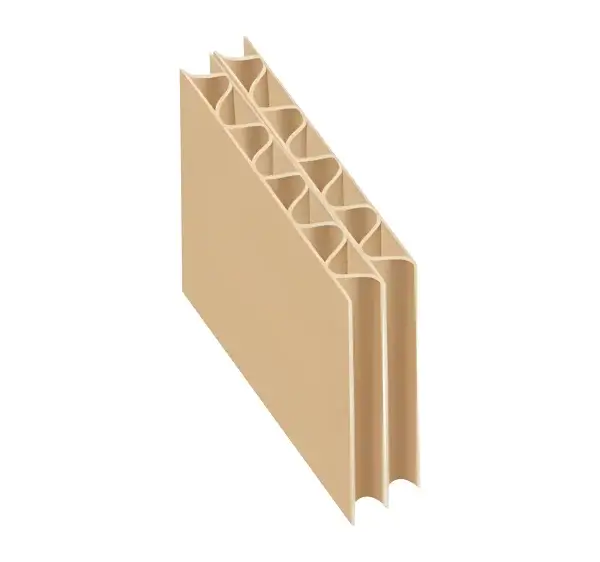
Double Wall (5-Ply)
Stronger option for heavy or fragile items.
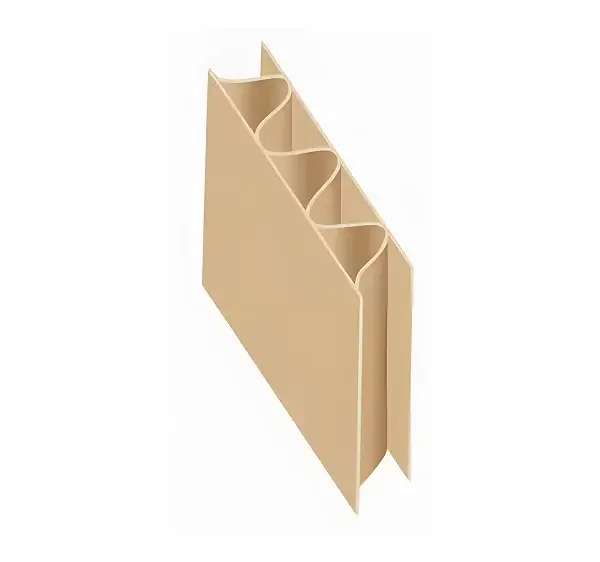
C-Flute
Standard flute with good strength and print quality balance.
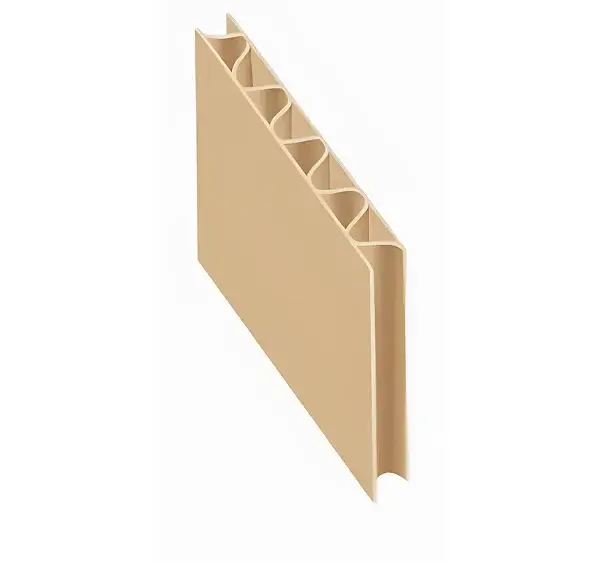
E-Flute
Thin and smooth surface ideal for custom printed retail boxes.
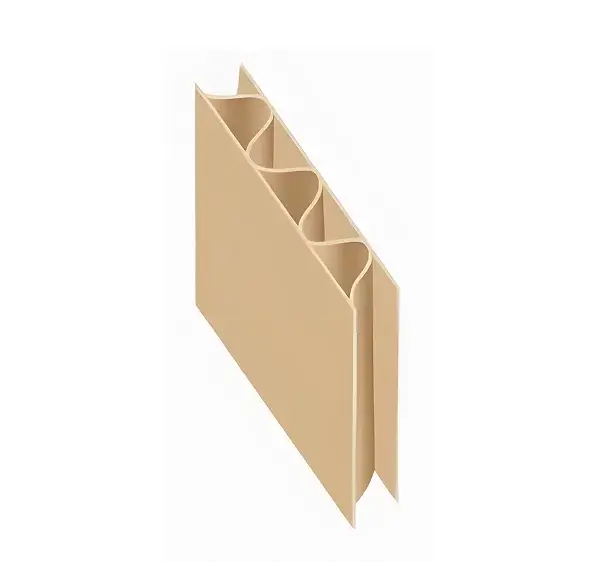
B-Flute
Compact flute great for die-cut and smaller packaging.
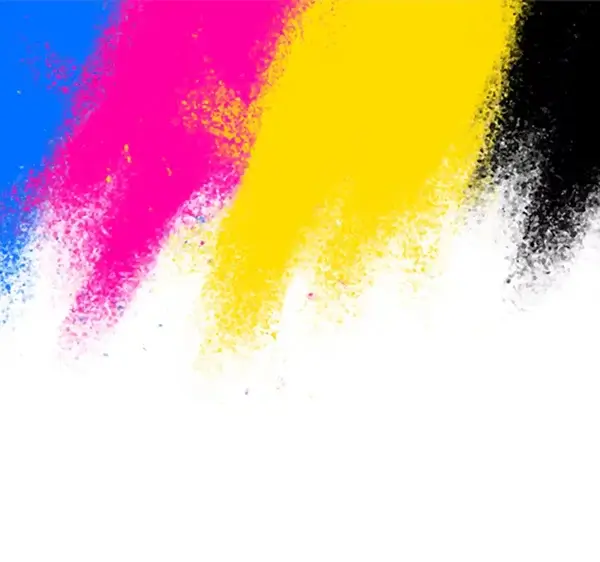
CMYK Ink
Standard full-color printing for vibrant designs.
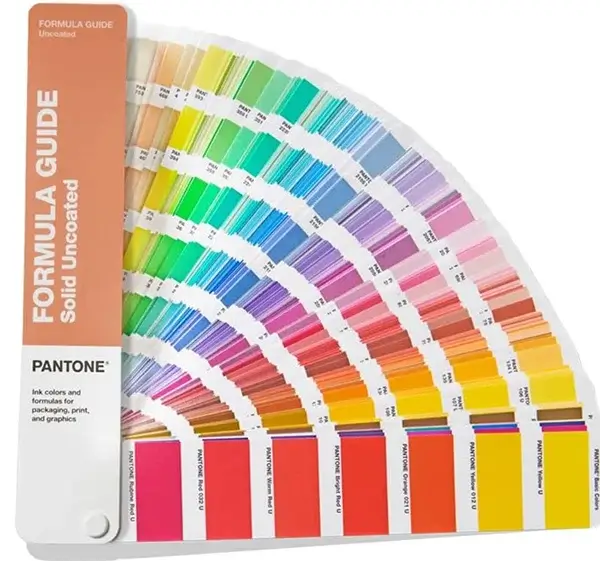
Pantone (PMS) Ink
Ensures exact and consistent brand colors.
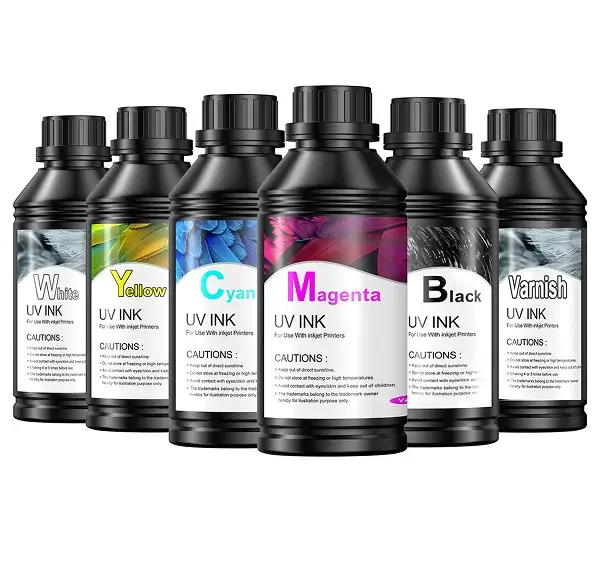
UV Ink
Produces sharp, glossy, and durable prints.
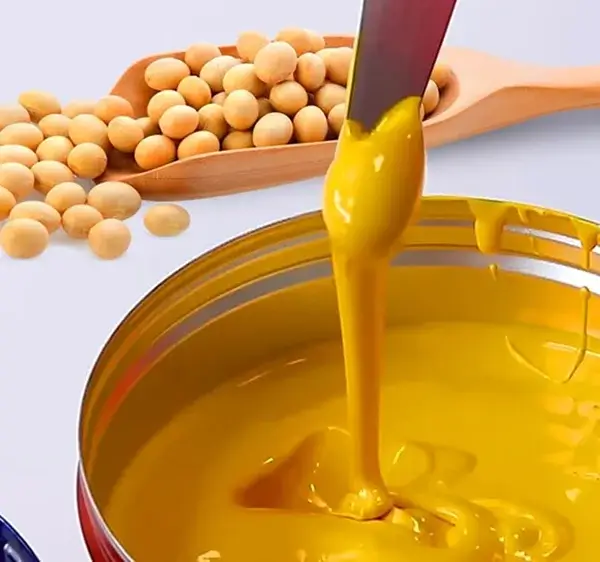
Soy-Based Ink
Eco-friendly option with rich, vivid colors.
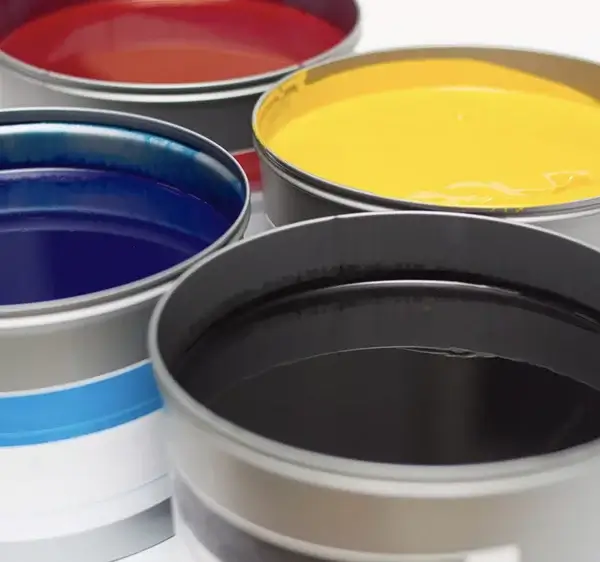
Water-Based Ink
Safe, sustainable, and great for eco packaging.




Frequently Asked Questions
Have any thoughts? Look here
Here at Boxo Packaging, we are going to contribute some of the best quality custom printed boxes that actually print your brand. Boxes are made from high-grade, responsibly sourced materials and constructed precisely to the digital design and dimensions.