


Fence Partition Dimensions
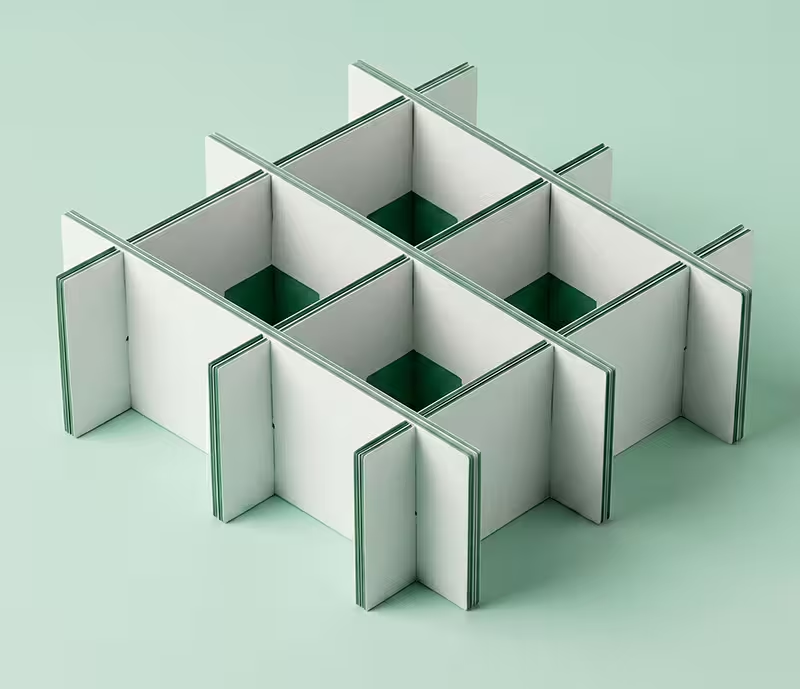
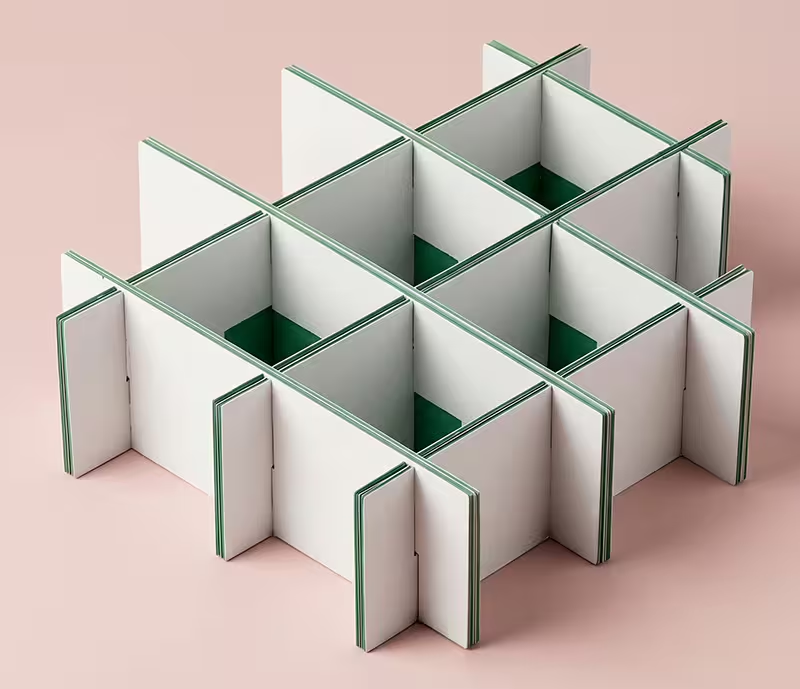
What Exactly Are Fence Partition Dimensions? These are specific heights, widths, and cell configurations that allow you to make your own custom grid designs for packaging. Created by Boxo Packaging, these precise measurements form safe, tailored pockets in shipment containers so fragile goods, think glass items, cosmetics, and even electronics,...

Get A Custom Quote
Understanding Fence Partition Dimensions
Standard box dividers rarely provide sufficient protection for fragile, high-value, or multi-piece products during shipping. The answer lies in customized corrugated or chipboard interlocking grids, but only if you take the proper dimensions of your Fence Partition Dimensions, which is where successful structural packaging design starts: making sure that every single item, in fact, has its own pocket.
These dimensions are associated not with the overall size of the grid but with each exact height, length, width, and thickness of the strips going through each intersection! These measurements prevent product migration, absorb external shocks, and contribute to cutting down on expensive transportation returns due to damage.
Essential Factors That Determine the Right Dimensions
Creating a perfect grid means examining your product specifications down to the last millimeter and your outer shipping box. Three main elements will be used by your packaging engineers in notes to calculate your custom Fence Partition Dimensions:
- Product Clearance: Width and length dimensions in each cell where the product must slide in easily so that it does not touch any other. However, they should be snug enough to prevent a tilting side to side.
- Outer Box Height Total: The height of the partition should generally be equal to the interior box height to allow for vertical stacking strength and ensure that the outer carton will not crush.
- Material Caliper: The thickness of the paperboard or corrugated material itself must be included in any calculations to ensure that the fully assembled grid is neatly contained inside the master container.
Industrial Applications for Custom Partitions
Various Types of industries use specific types of Fence Partition Dimensions to ensure safety in their supplies and products. The beverage sector, for example, employs tall double-walled partitions to separate two heavy glass bottles. Pharmaceutical and cosmetics industries often use micro-flute or smooth chipboard partitions with very tiny cells to ensure that vials, lipsticks, or compacts do not get scratched.
This is the kind of precision that Boxo Packaging accomplishes through the use of state-of-the-art CAD modeling to define the depths and spacing of interlocking notches. It ensures that you can deploy on the assembly line exactly like a grid, whether shipping retail jars or industrial components.
Even Having Very Accurate Grid Specs is the Key to Maximizing Efficiency
Your bottom-line efficiency is directly impacted by the time that you invest in defining your Fence Partition Dimensions. Partitions, if sized properly, remove the requirement of using excessive secondary protective packaging as well as manual bubble wrap and loose foam peanuts.
Standardizing your Fence Partition Dimensions, on the other hand, helps you simplify your fulfillment process, reduce excess material waste, and provide a neat, minimalistic yet sustainable unboxing experience for your end customers. Good grid design makes sure that your products go through exactly the way you want them, each and every time.


Feedback From Our Valuable Customers
Every journey is different, but the desire to grow is universal. Hear directly from our customers how Boxo Packaging gave their story a beautiful cover and turned their vision into success.
View All ProductsPackaging Customization Options
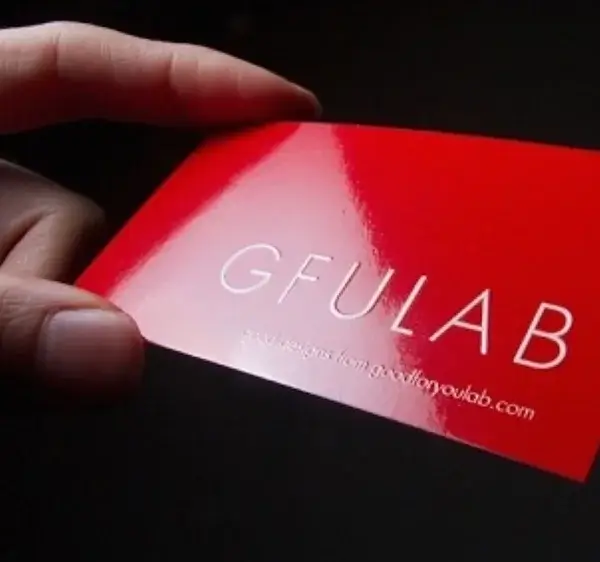
Gloss Coating
Shiny and vibrant finish that makes colors pop.
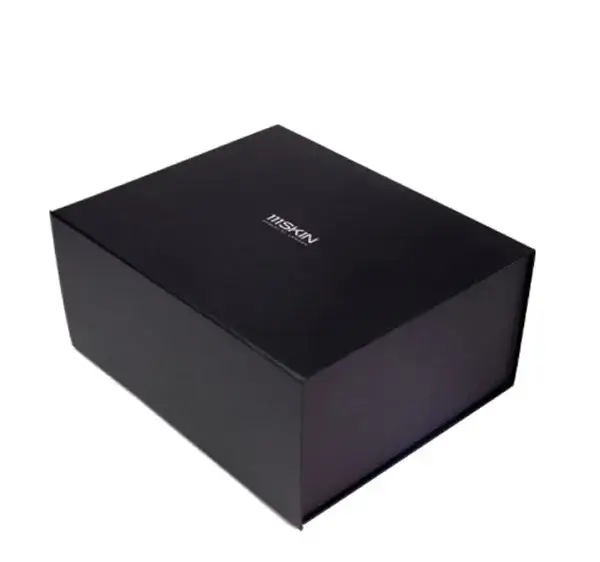
Matte Coating
Smooth, non-glossy look for an elegant feel.
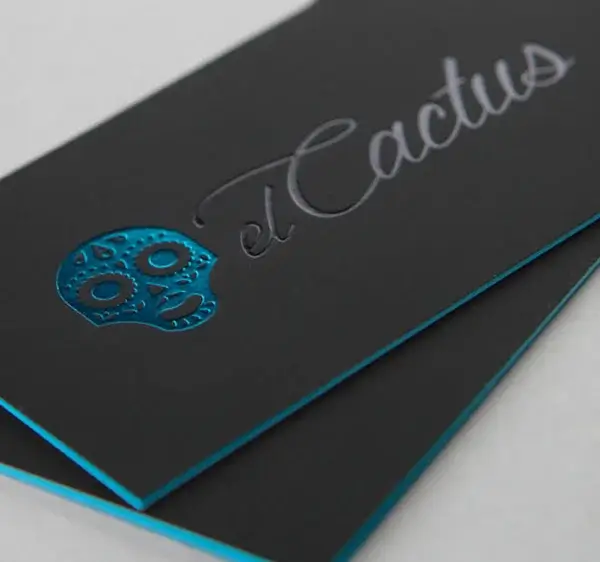
Soft-Touch Coating
Velvety texture that feels premium and smooth.
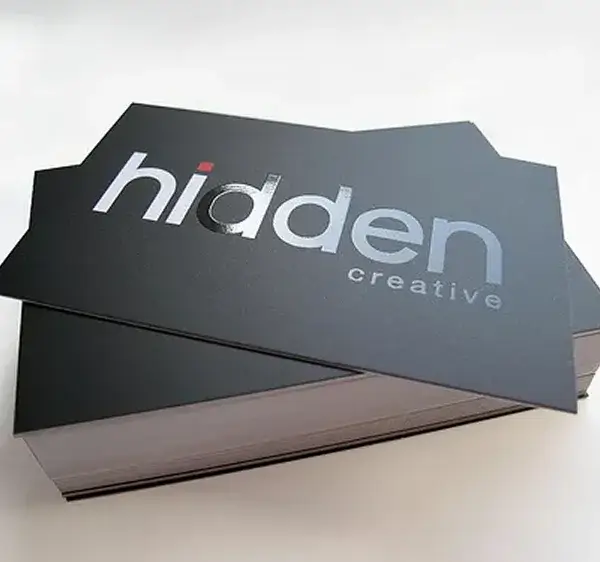
UV Coating (Spot or Full)
Glossy layer that highlights specific areas or the whole box.
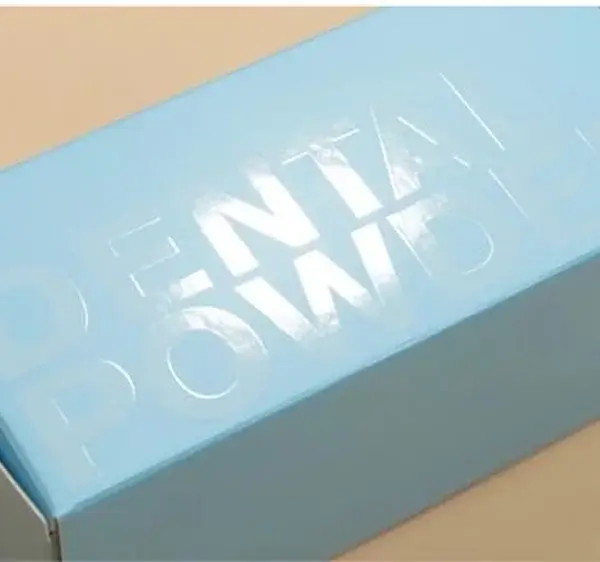
Aqueous Coating
Eco-friendly, water-based protection with a soft sheen.
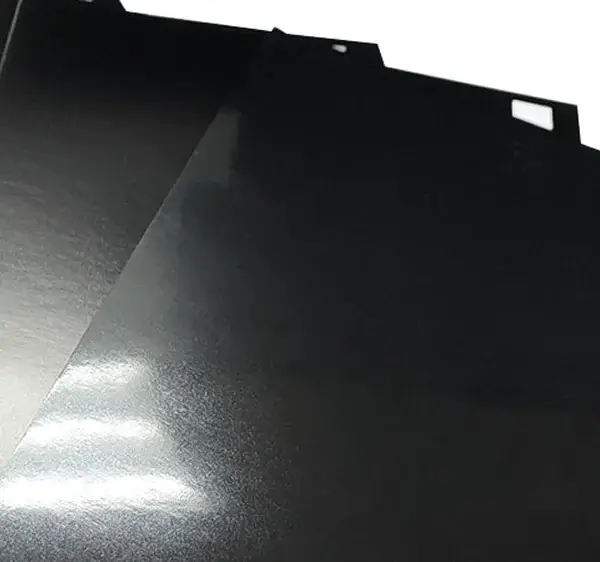
Varnish Coating
Adds a protective layer with mild shine or matte effect.
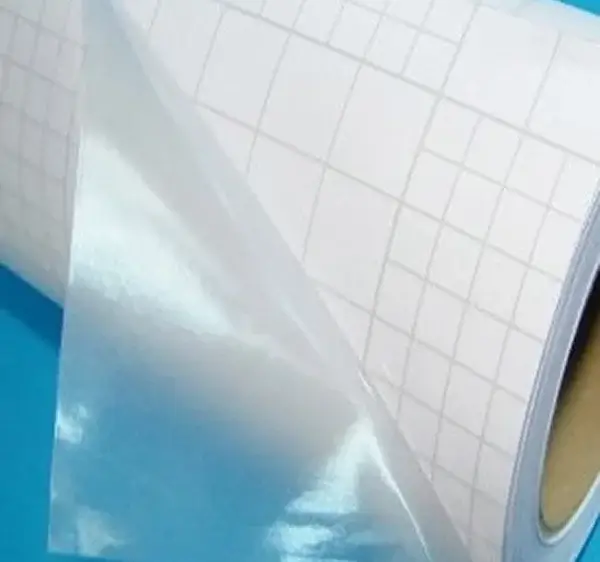
Gloss Lamination
Plastic film for extra shine and durability.
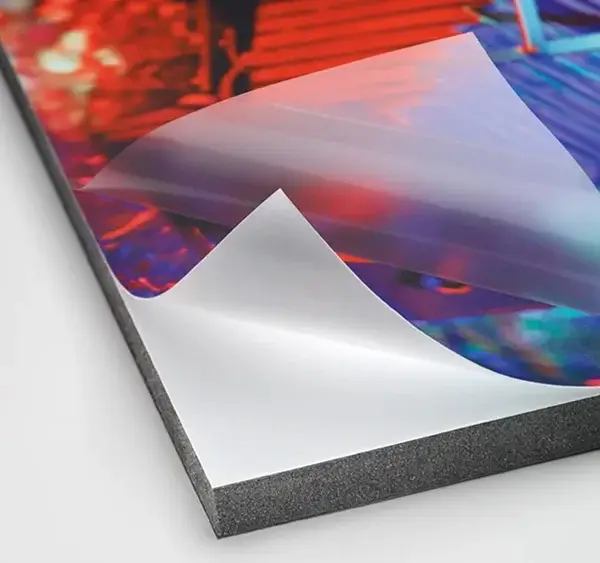
Matte Lamination
Plastic film with a flat, refined appearance.
Offset Printing
High-quality, detailed printing for large quantities.
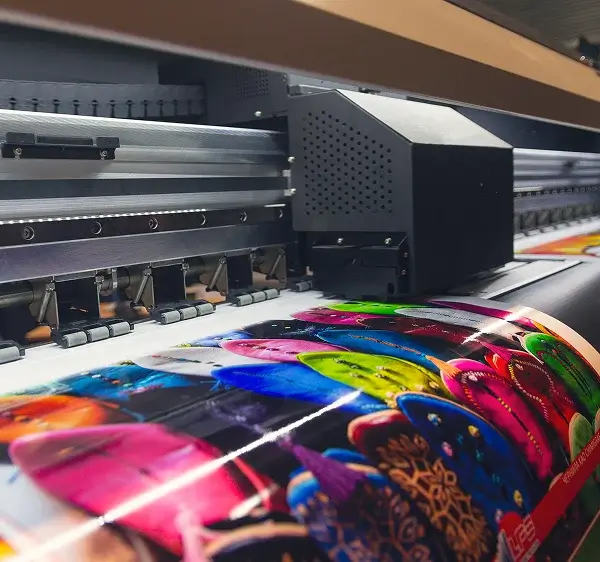
Digital Printing
Cost-effective and fast option for small runs or samples.
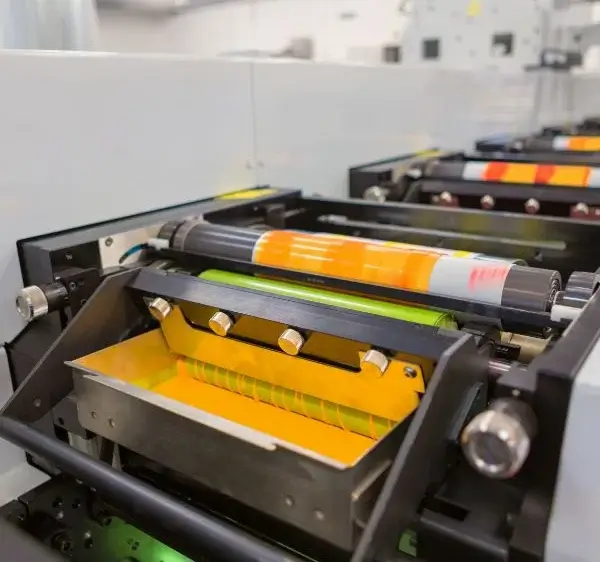
Flexographic Printing
Used for bulk packaging; great for simple designs and logos.
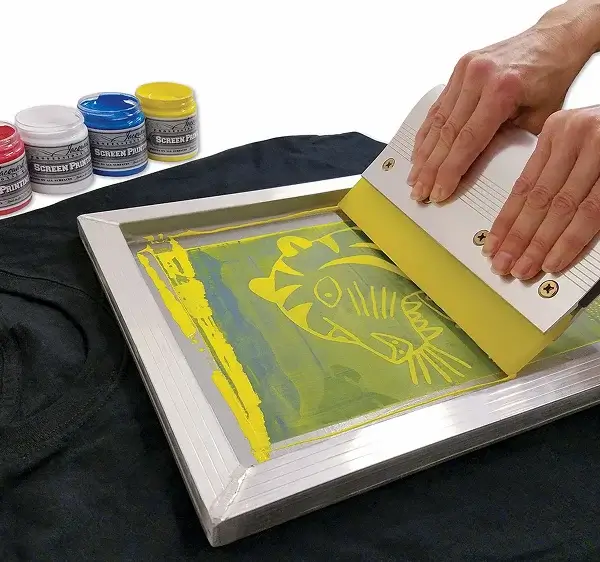
Screen Printing
Ideal for bold colors and textured finishes.
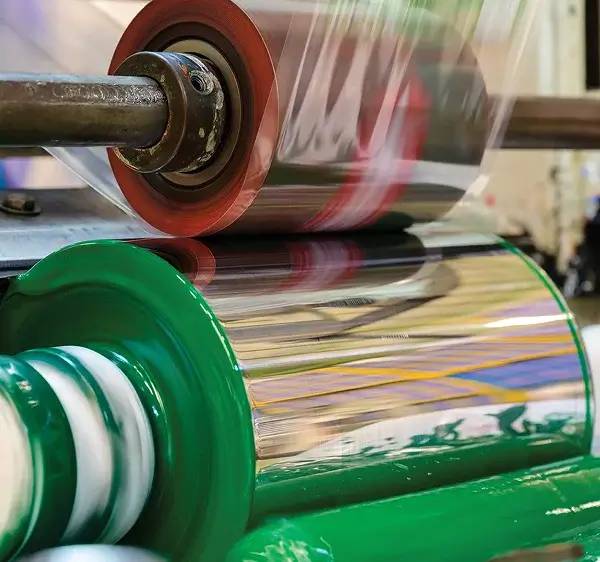
Gravure Printing
Premium-quality printing for very high-volume production.
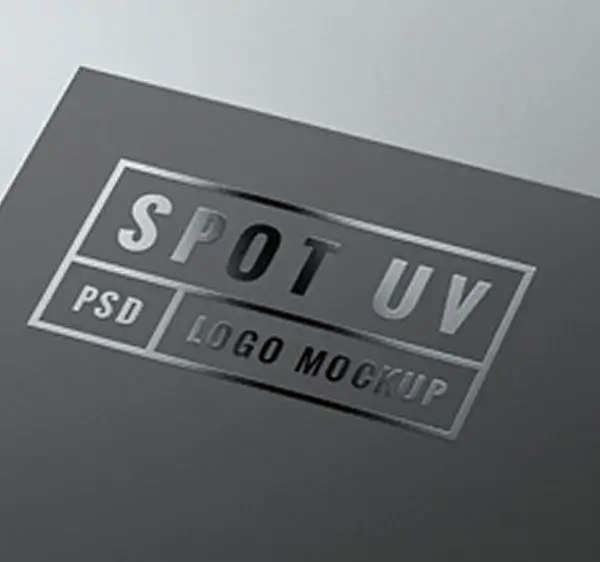
UV Printing
Uses UV light to dry ink instantly for sharp and vibrant results.
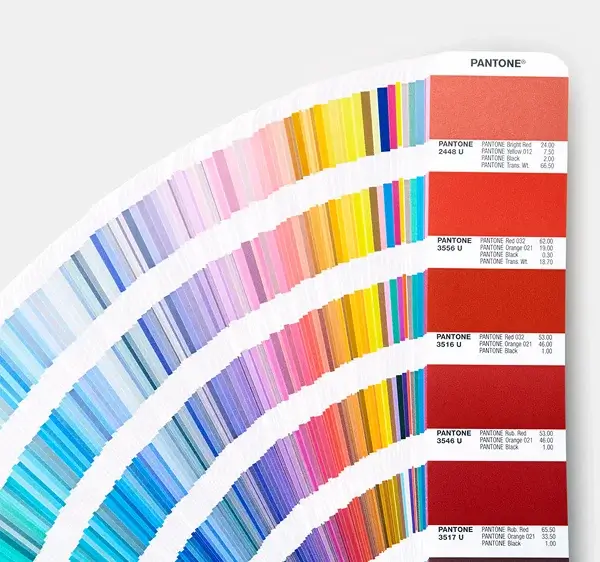
Pantone (PMS) Printing
Ensures exact color matching for brand consistency.

CMYK Printing
Standard full-color printing for detailed images and gradients.

Embossing
Raises parts of the design for a 3D textured effect.
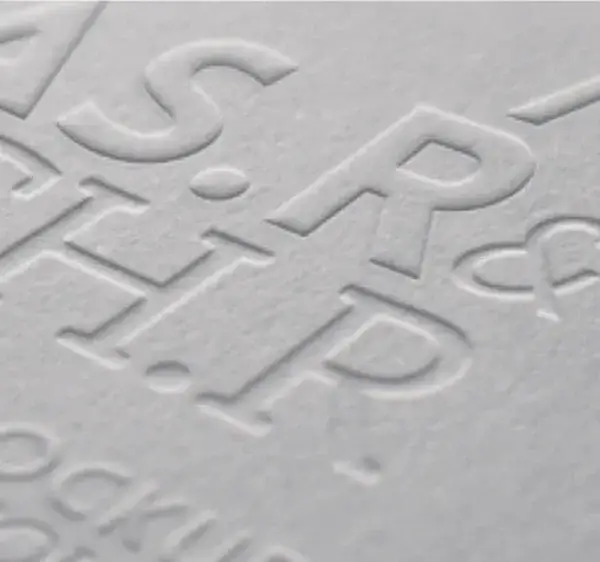
Debossing
Presses the design into the surface for a recessed look.
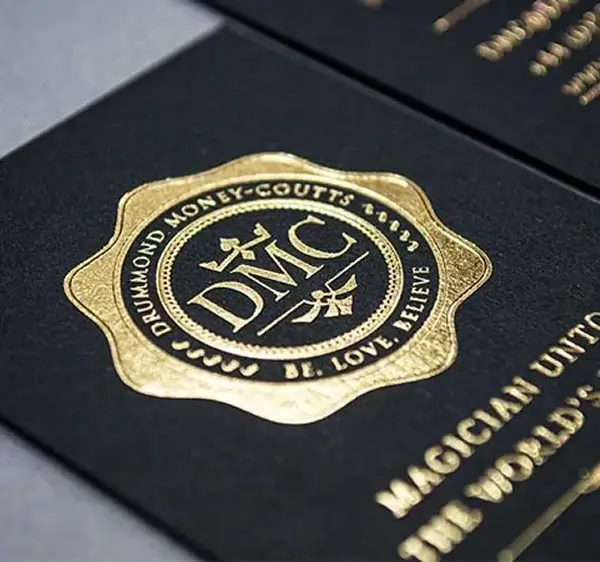
Foil Stamping
Adds metallic or colored foil for a shiny, luxurious touch.

Raised Ink Printing
Gives a slightly lifted texture to printed elements.
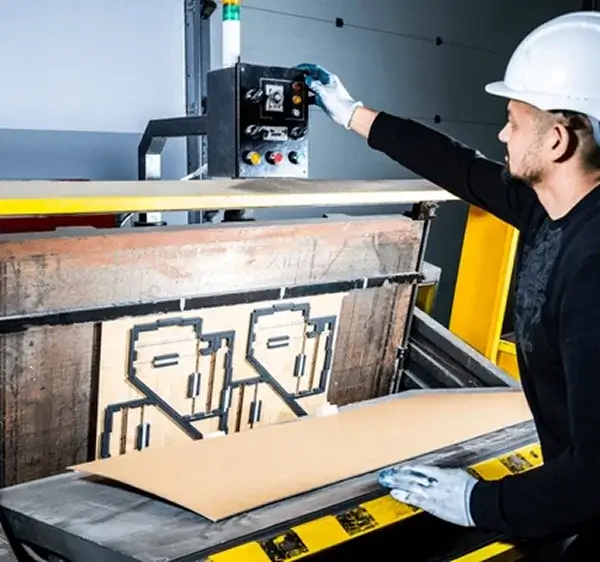
Die Cutting
Creates custom shapes, windows, or patterns on boxes.
Spot UV
Applies glossy UV coating to highlight specific areas.
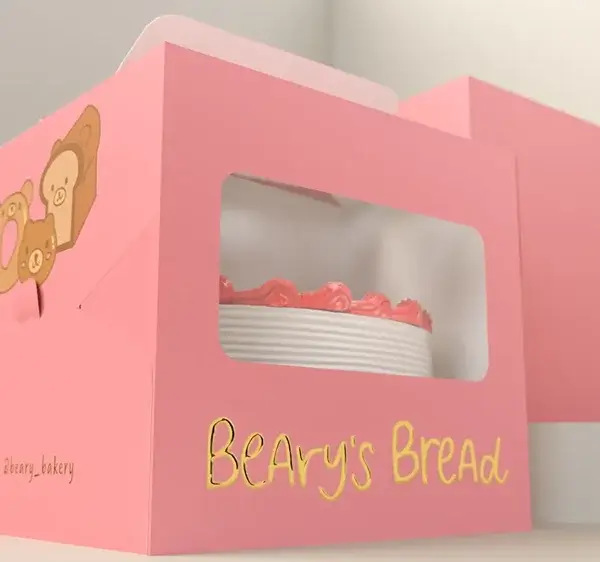
Window Patching
Adds a clear window to display the product inside.
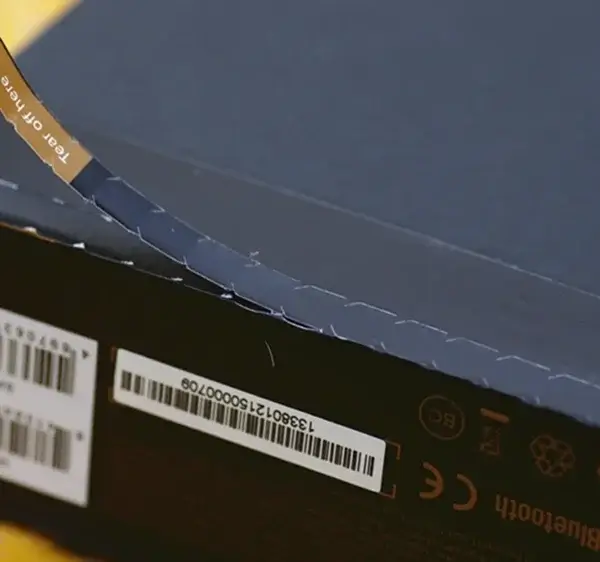
Perforation
Makes easy-tear or fold lines on packaging.
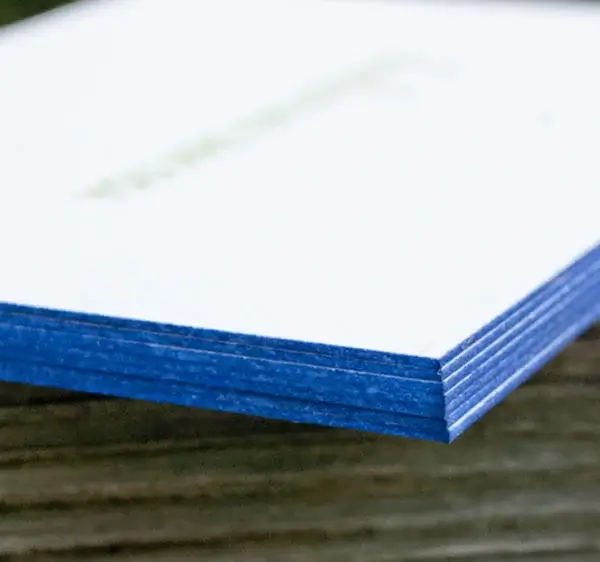
Edge Painting
Colors the edges of boxes for a unique, premium look.
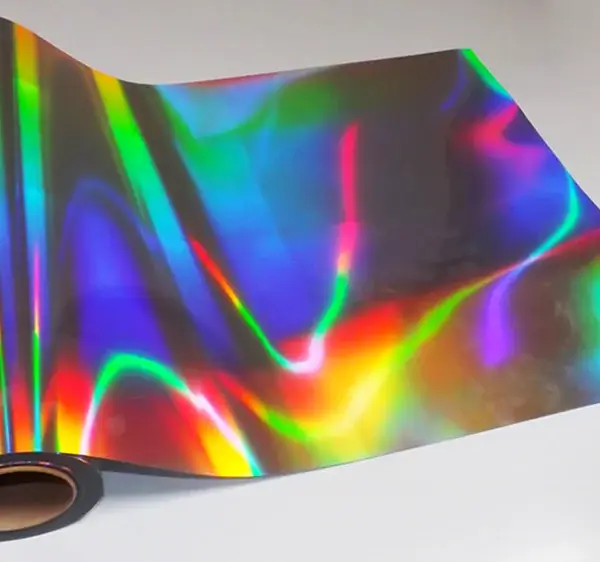
Holographic Finish
Adds a rainbow-like, reflective effect for an eye-catching design.
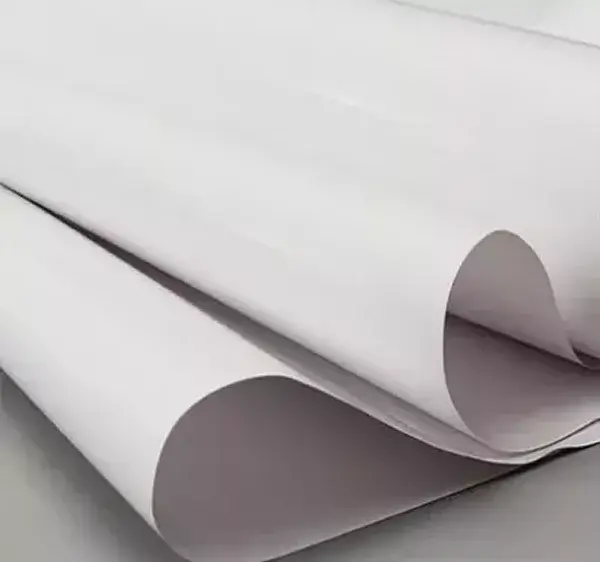
White Card (C1S / C2S)
Smooth, high-quality white surface coated on one or both sides.
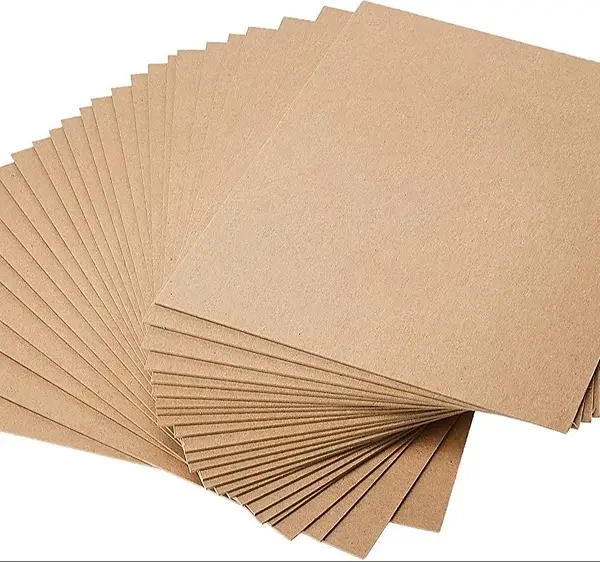
Kraft Paperboard
Eco-friendly brown board with a natural, rustic look.
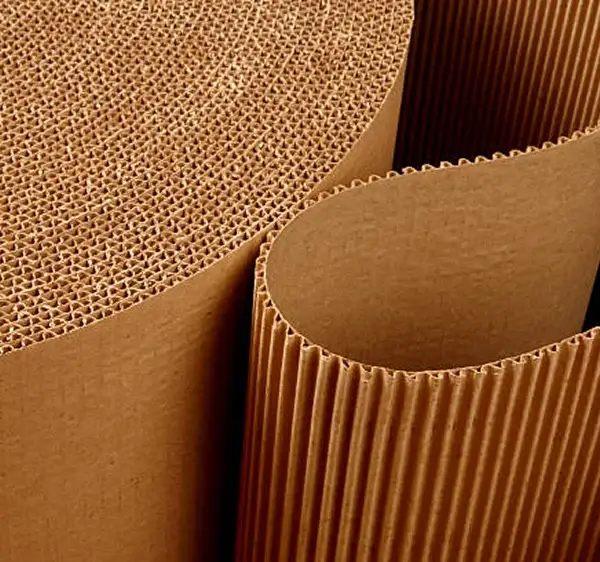
Corrugated Board
Strong, multi-layer board ideal for shipping or heavy products.
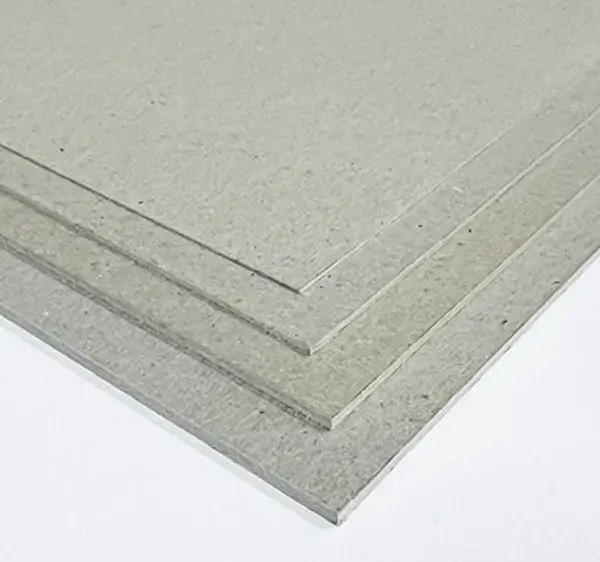
Rigid Board (Chipboard)
Thick, durable board used for luxury or gift boxes.
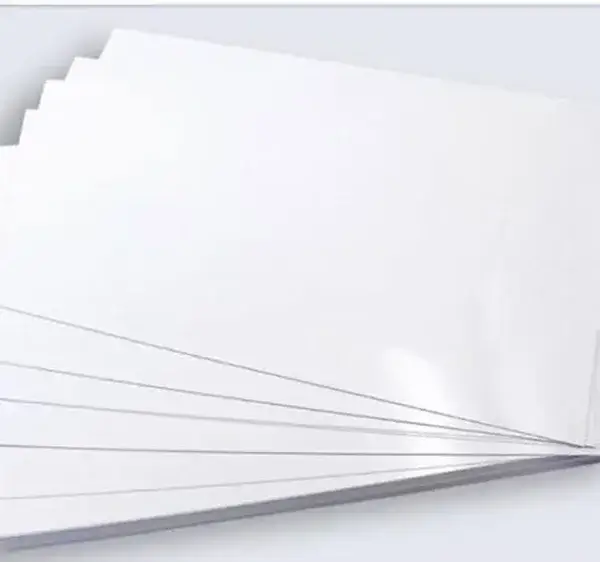
Art Paper
Smooth and glossy paper suitable for premium printing.
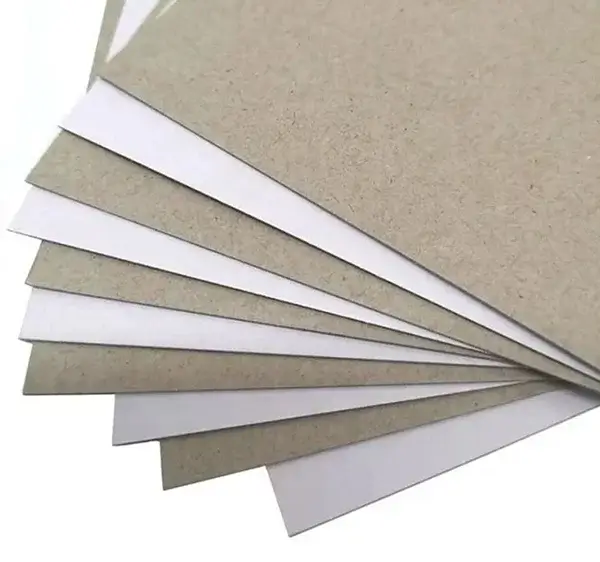
Duplex Board
White front and grey back; affordable and sturdy option.
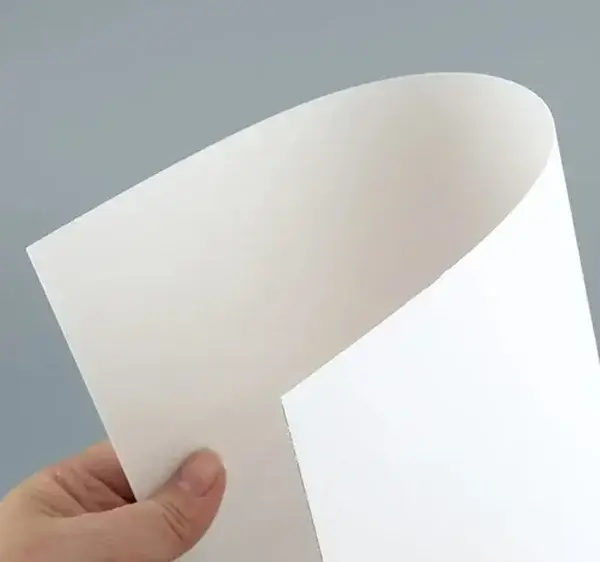
SBS (Solid Bleached Sulfate)
Bright white, high-end paperboard with great print quality.
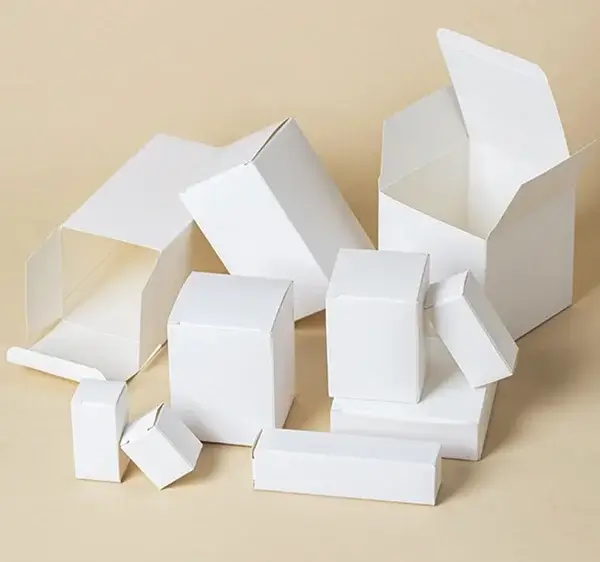
FBB (Folding Box Board)
Lightweight yet strong board perfect for retail boxes.
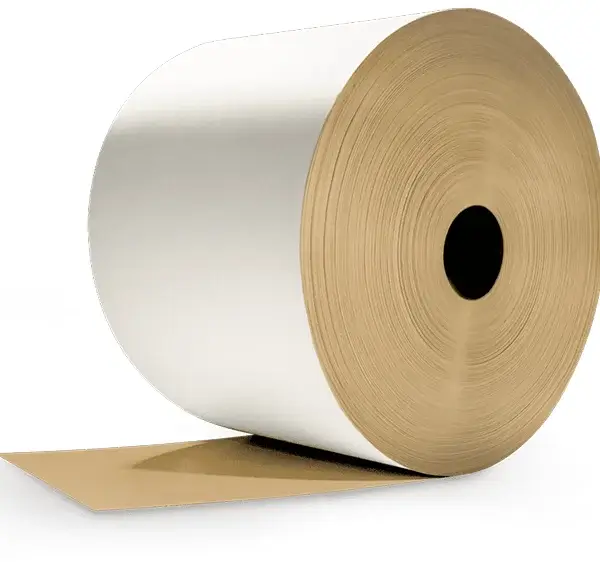
Recycled Paperboard
Made from post-consumer waste; eco-conscious choice.
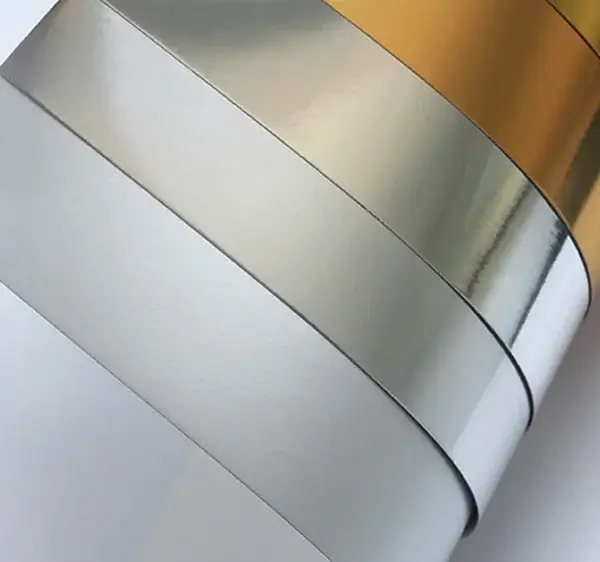
Metallic Paperboard
Shiny or reflective surface for a premium appearance.
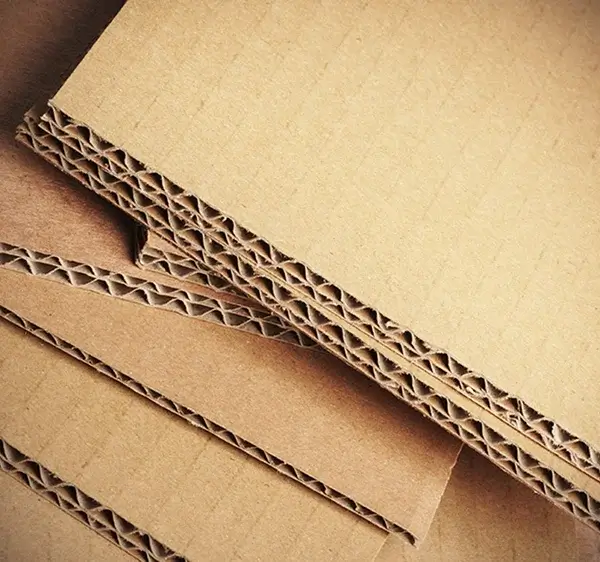
Cardboard
Lightweight and versatile material for retail packaging.
Corrugated Board
Durable, multi-layer material used for shipping boxes.
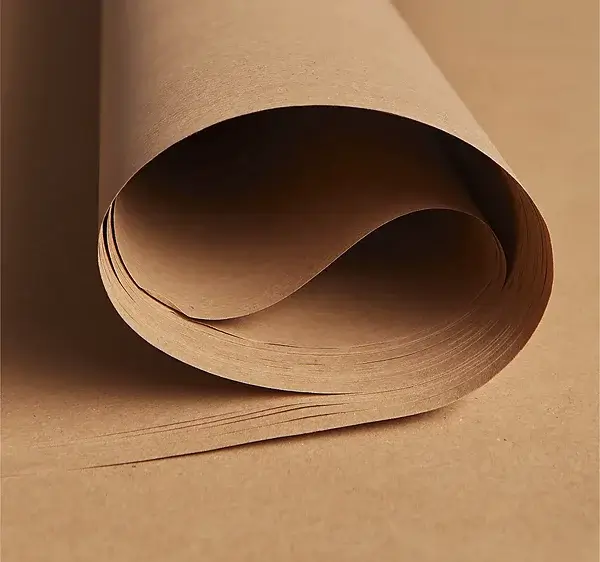
Kraft Paper
Eco-friendly brown paper with a natural, organic look.
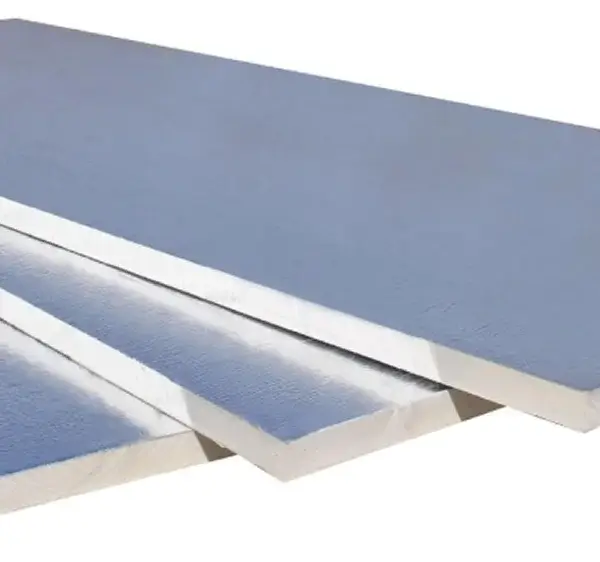
Rigid Board
Thick and sturdy material ideal for luxury or gift boxes.
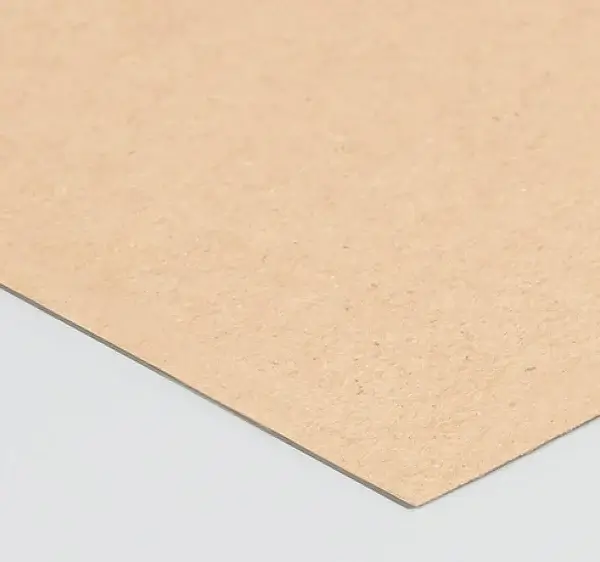
Paperboard
Smooth and printable material used for most retail boxes.
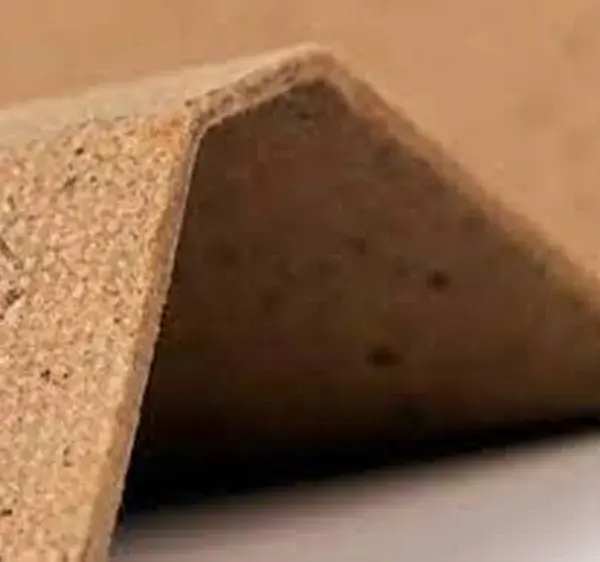
Recycled Material
Made from reused paper fibers; sustainable and cost-effective.
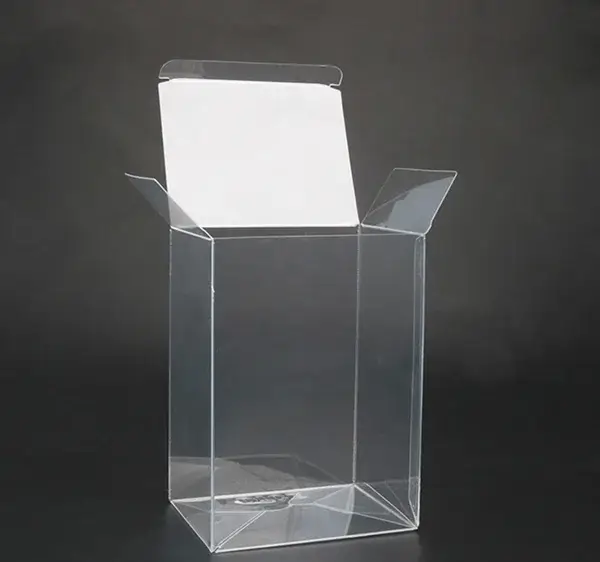
Plastic (PET / PVC)
Transparent or colored material for window or display boxes.
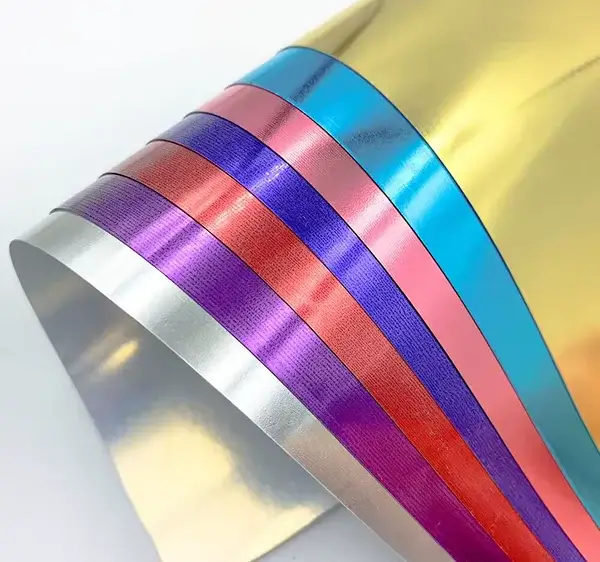
Metallic Paper
Shiny, reflective material for premium packaging.
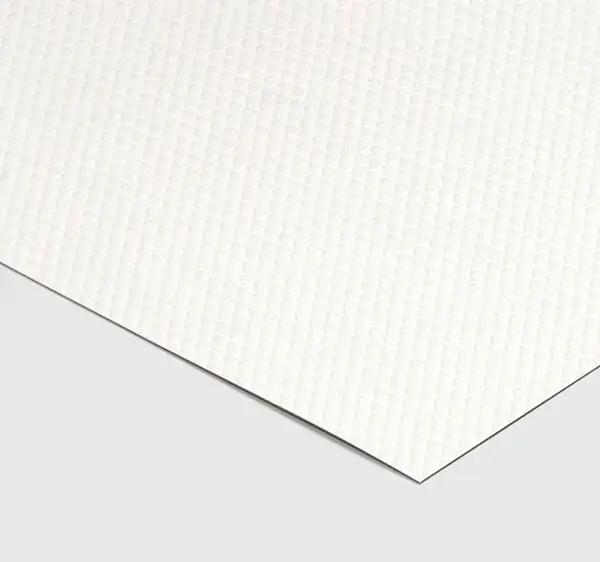
Textured Paper
Special surface finish that adds a unique tactile feel.
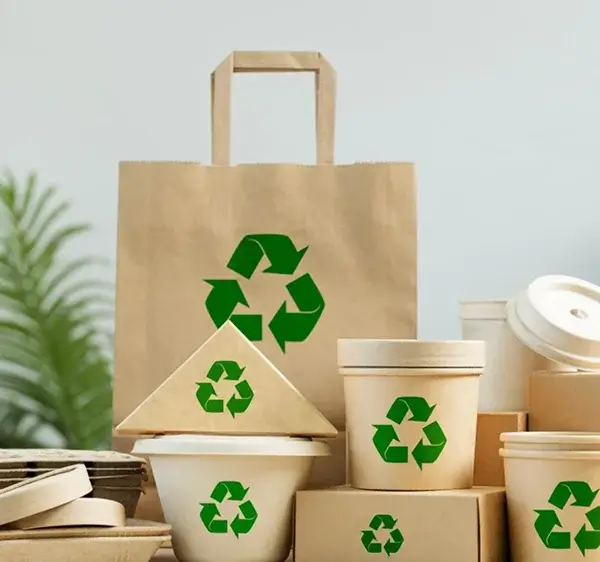
Eco-Friendly / Biodegradable Material
Environmentally safe and compostable option.
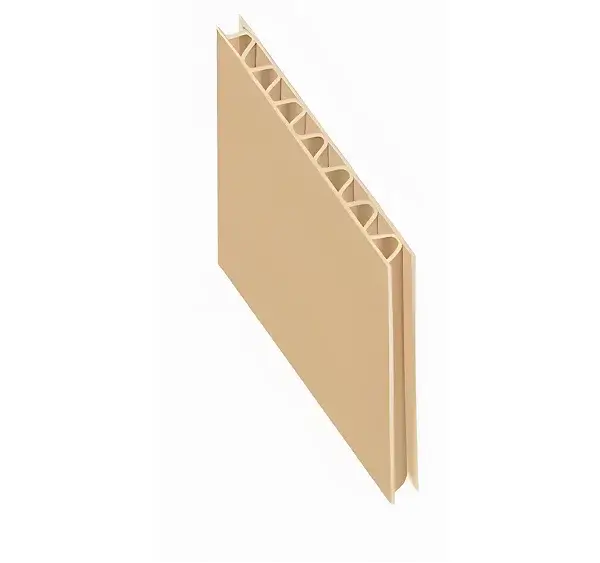
Single Wall (3-Ply)
Most common choice for shipping and retail boxes.
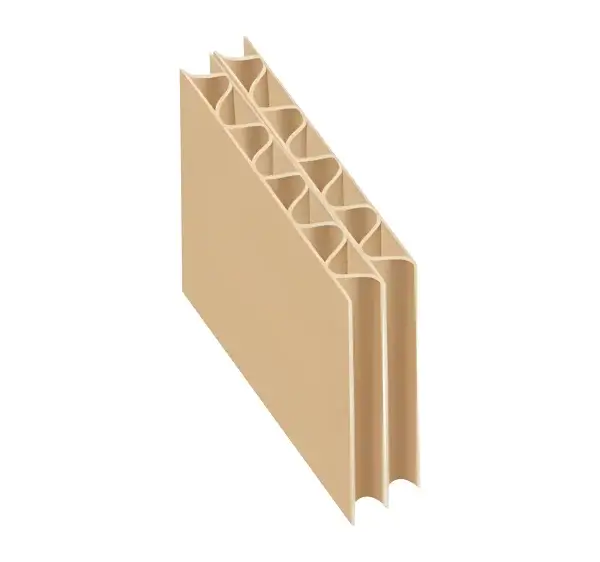
Double Wall (5-Ply)
Stronger option for heavy or fragile items.
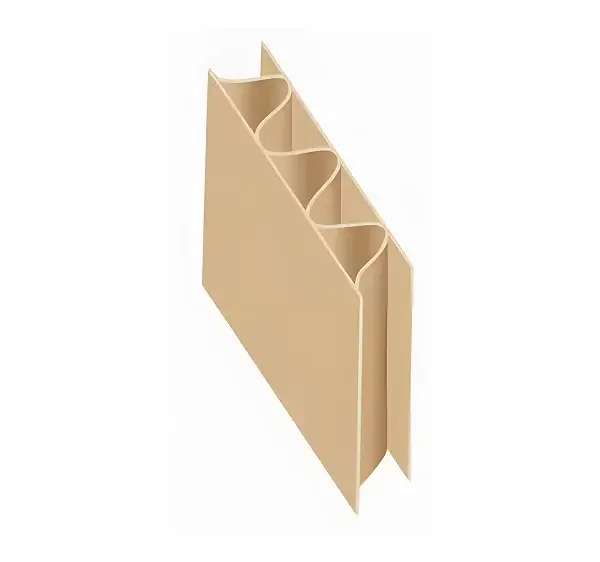
C-Flute
Standard flute with good strength and print quality balance.
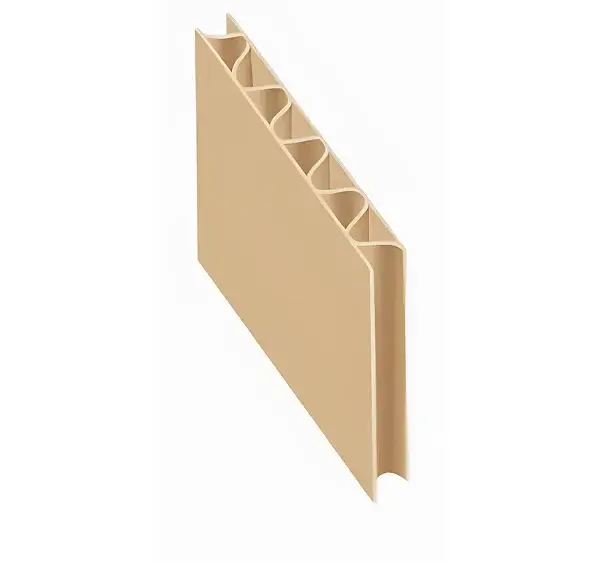
E-Flute
Thin and smooth surface ideal for custom printed retail boxes.
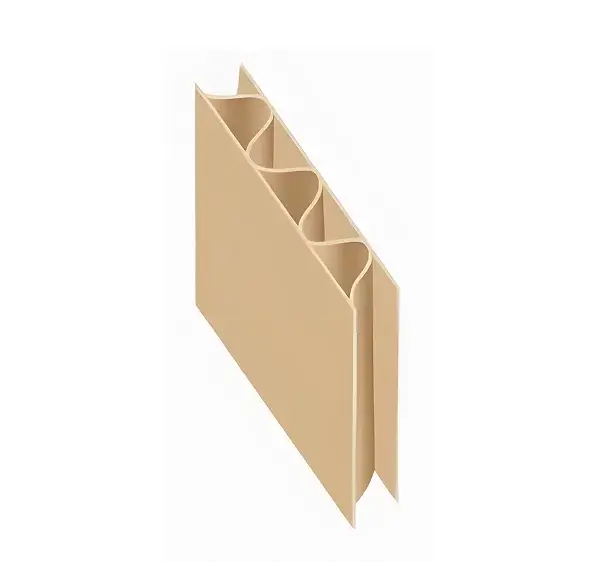
B-Flute
Compact flute great for die-cut and smaller packaging.

CMYK Ink
Standard full-color printing for vibrant designs.
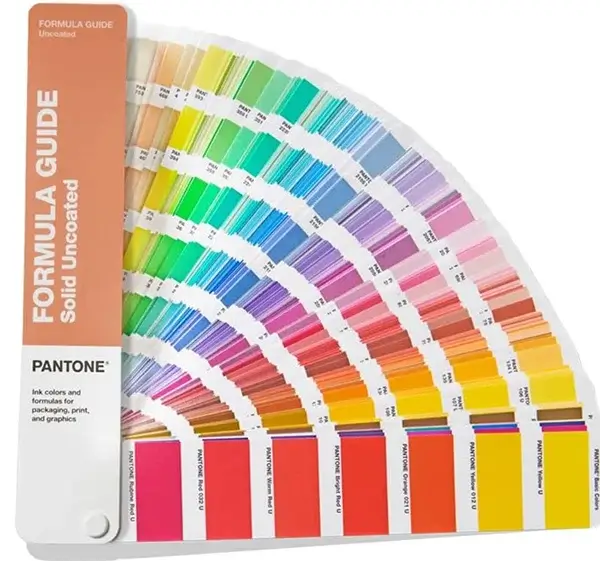
Pantone (PMS) Ink
Ensures exact and consistent brand colors.
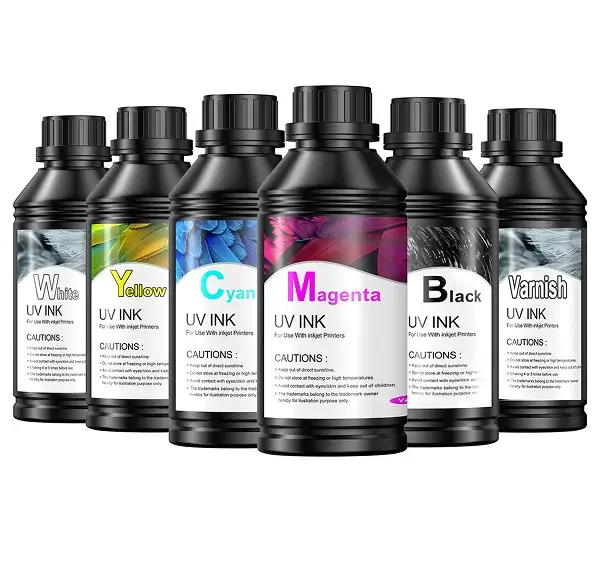
UV Ink
Produces sharp, glossy, and durable prints.

Soy-Based Ink
Eco-friendly option with rich, vivid colors.
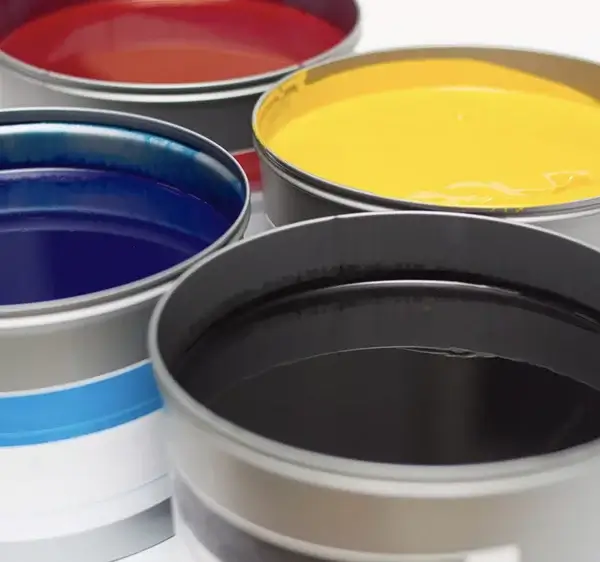
Water-Based Ink
Safe, sustainable, and great for eco packaging.




Frequently Asked Questions
Have any thoughts? Look here
Here at Boxo Packaging, we are going to contribute some of the best quality custom printed boxes that actually print your brand. Boxes are made from high-grade, responsibly sourced materials and constructed precisely to the digital design and dimensions.