
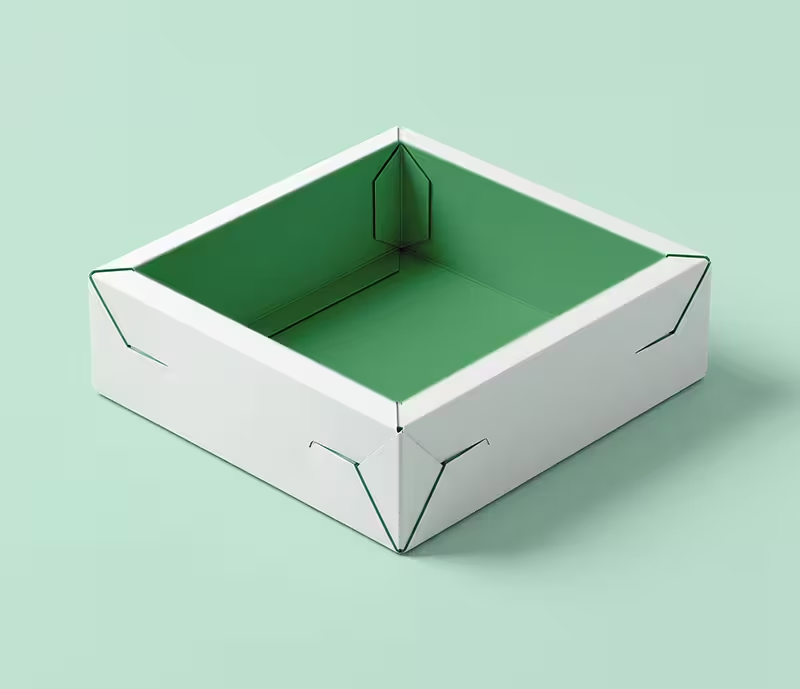
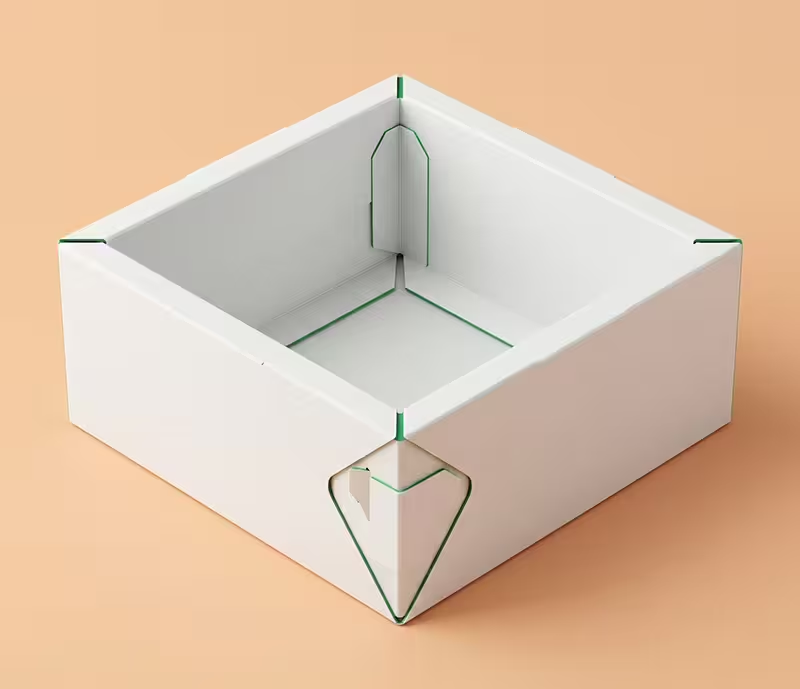
Foot Lock Tray Dimensions
Terms Facts Full Foot Lock Tray Dimensions Further, there are crucial principles of locked as well as unglued packaging styles that you need to think about while making secure, glued-free retail product packaging. Choosing the exact Length, width, and depth not only maintains strength but also prevents sliding of the...

Get A Custom Quote
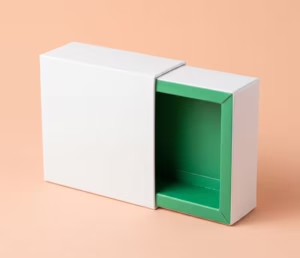
Understanding Foot Lock Tray Dimensions for Secure Packaging
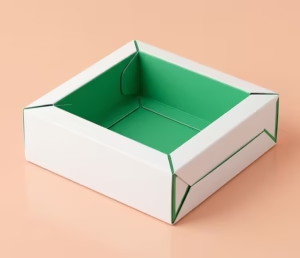
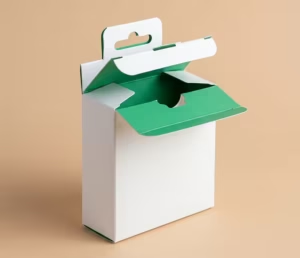
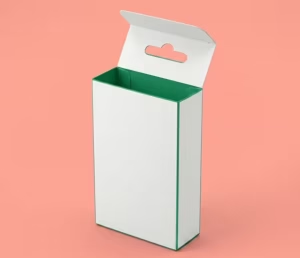
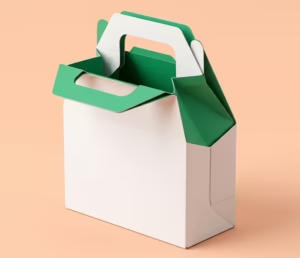
When it comes to retail and display packaging, the design of your box matters just as much as how pretty it looks. Foot lock Tray is one of the most popular, unglued packaging styles with the interlocking flaps at the base to create a rigid box. But if we nail the Foot Lock Tray Dimensions, you will be halfway to the perfect fit.
Well-measured dimensions guarantee that the box folds cleanly, maintains its form under pressure, and securely conceals your items without needing chaotic glues.
When we use the generative element of our model, what we’re going to be doing is transforming latent samples into higher-dimensional data samples.
You need to understand the structural framework layout before you go on manufacturing your custom boxes of that specific type, the foot lock tray box! The standard packaging dimensions are always considered as Length x Width x Depth (L x W x D) with respect to the inside of a box.
Those that we can utilize by paying close attention to these ratios.
- Structural Integrity: By ensuring the dimensions of the foot lock tray are correct, this prevents the interlocking “feet” within your wok from slipping out of their designated slots, which helps keep your foot lock tray rigid.
- Product Protection: A tailored box reduces the movement of the product in transit by miles, and as a result, it significantly lowers internal damage.
Material Efficiency: Keeping the size optimized helps in reducing cardboard losses during the die-cutting process, making production processes easier to manage, and most importantly, cost-effective. - Storage Space Utility: Accurate external dimensions ensure that your finalized boxes will fit perfectly in retail outlets as well as in shipping containers.
Measuring a Foot Lock Tray
A wise way to make Foot Lock Tray Dimensions for your product is by measuring the maximum number of contact points that your item has.
- Length: Measure the width of the product horizontally, across the front-facing side from left to right
- Width: The distance from the front face to the back face.
- Depth: Measure from the top to the bottom of the product.
Always add a small gap buffer (about 1/16th of an inch, typically) in the measurements of your final product. This minor change ensures your items can be easily slid in and out without ripping the cardboard walls.
Custom Packaging Solutions
Each product is different, which explains why an all-size tactic seldom (if ever) works for retail displays. When you deal with a manufacturer who has been in the market for years, like Boxo Packaging, you can adjust your Foot Lock Tray Dimensions at a millimeter level. Whether you are packaging light cosmetics, heavy electronics, or delicate bakery products, changing the depth and wall thickness will really change the tray’s total load-bearing ability.
If you measure correctly, you can fashion a stunning, tool-less assembly box that presents itself well while still being built like a tank.
Feedback From Our Valuable Customers
Every journey is different, but the desire to grow is universal. Hear directly from our customers how Boxo Packaging gave their story a beautiful cover and turned their vision into success.
View All ProductsPackaging Customization Options
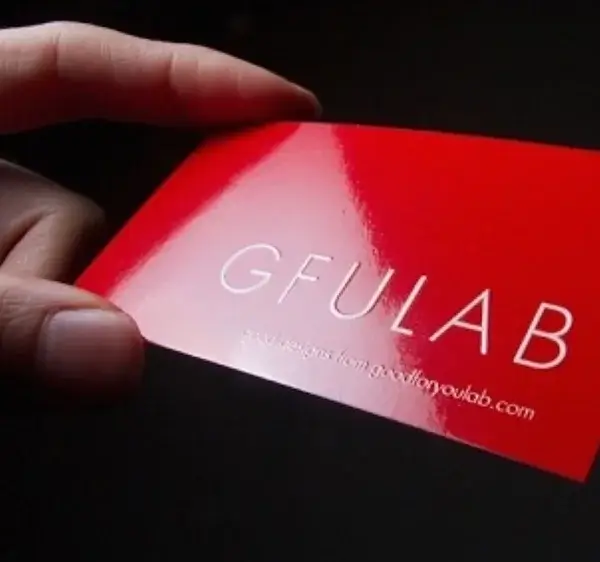
Gloss Coating
Shiny and vibrant finish that makes colors pop.
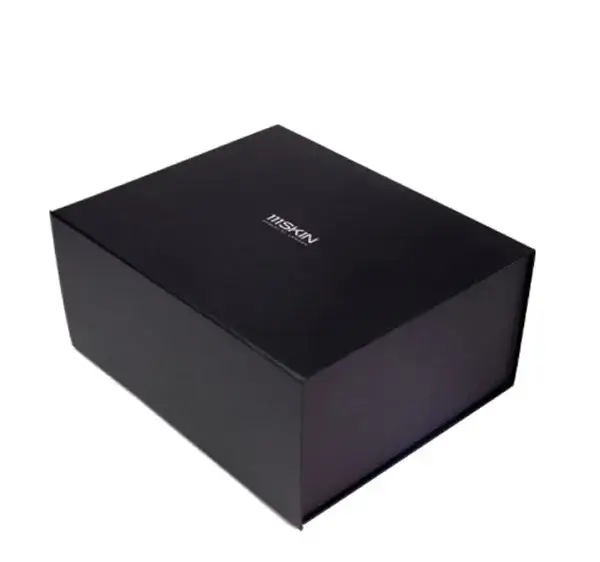
Matte Coating
Smooth, non-glossy look for an elegant feel.
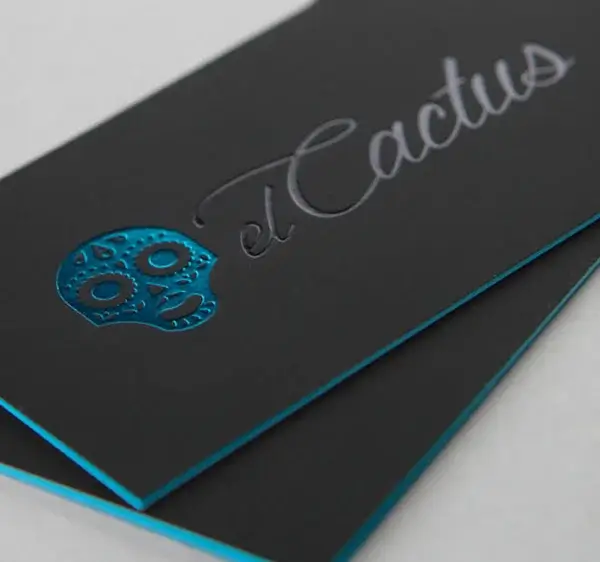
Soft-Touch Coating
Velvety texture that feels premium and smooth.
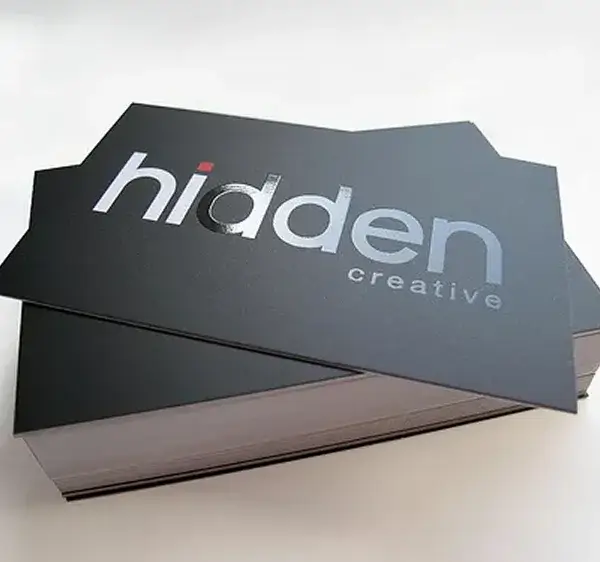
UV Coating (Spot or Full)
Glossy layer that highlights specific areas or the whole box.
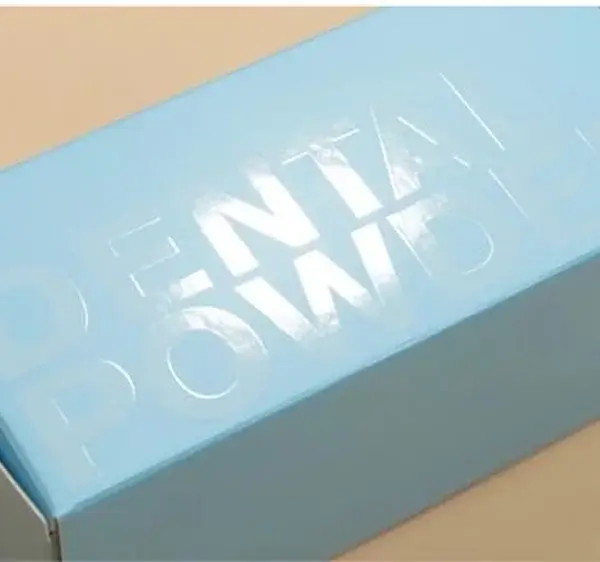
Aqueous Coating
Eco-friendly, water-based protection with a soft sheen.
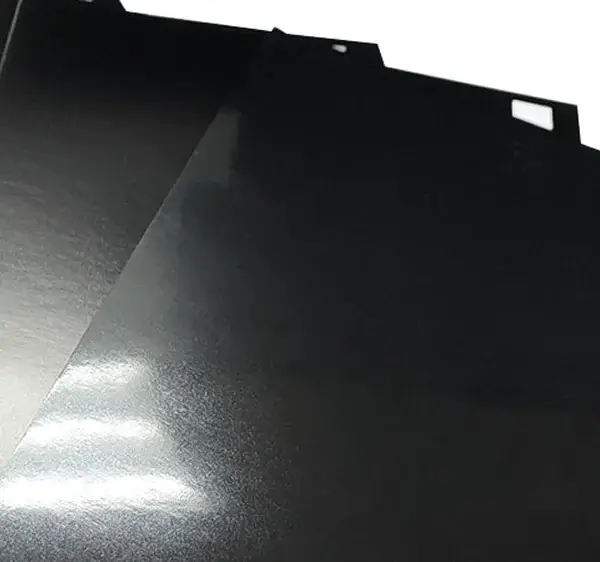
Varnish Coating
Adds a protective layer with mild shine or matte effect.
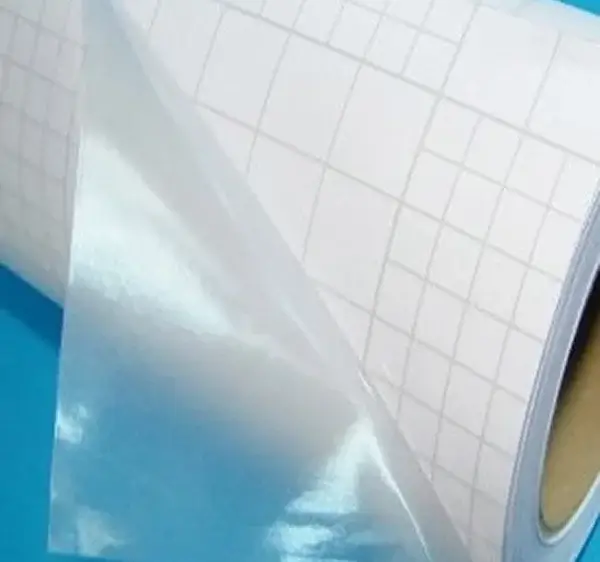
Gloss Lamination
Plastic film for extra shine and durability.
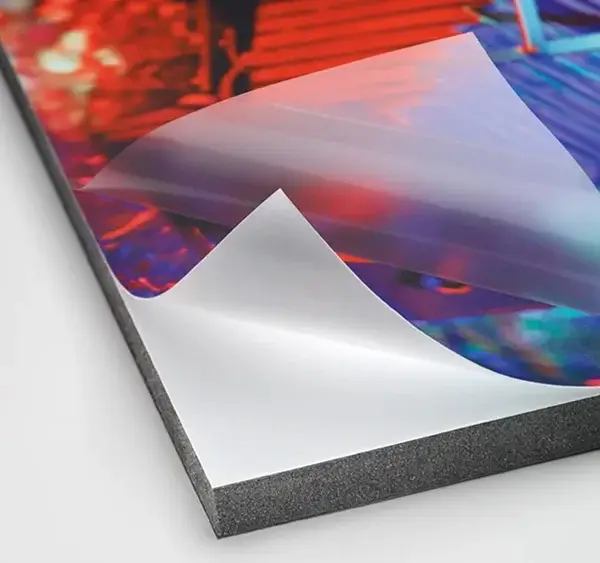
Matte Lamination
Plastic film with a flat, refined appearance.
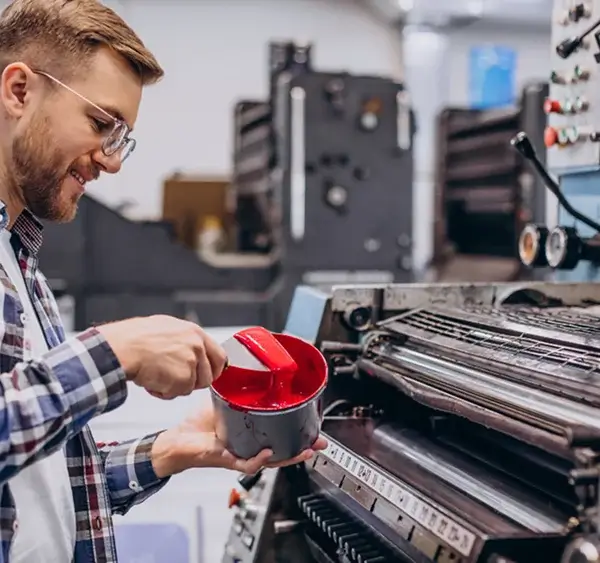
Offset Printing
High-quality, detailed printing for large quantities.
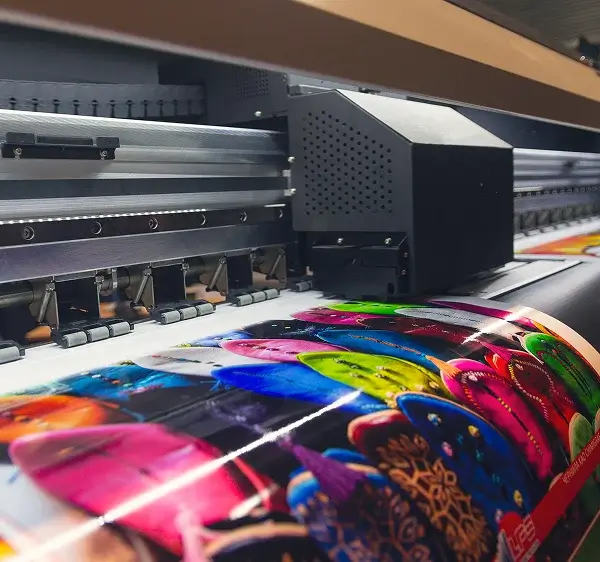
Digital Printing
Cost-effective and fast option for small runs or samples.
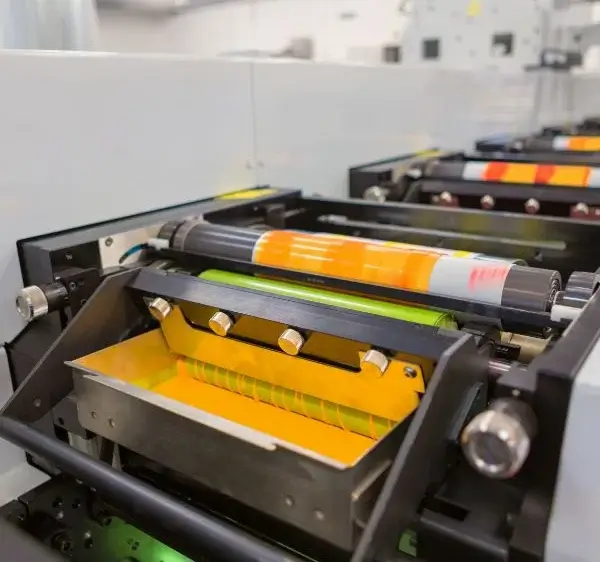
Flexographic Printing
Used for bulk packaging; great for simple designs and logos.
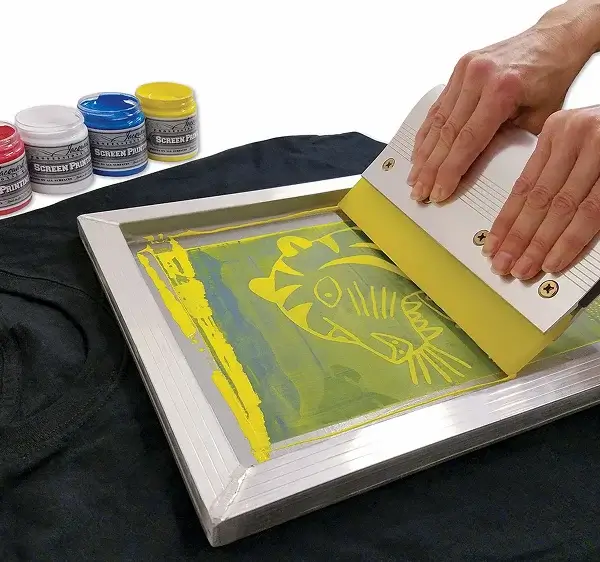
Screen Printing
Ideal for bold colors and textured finishes.
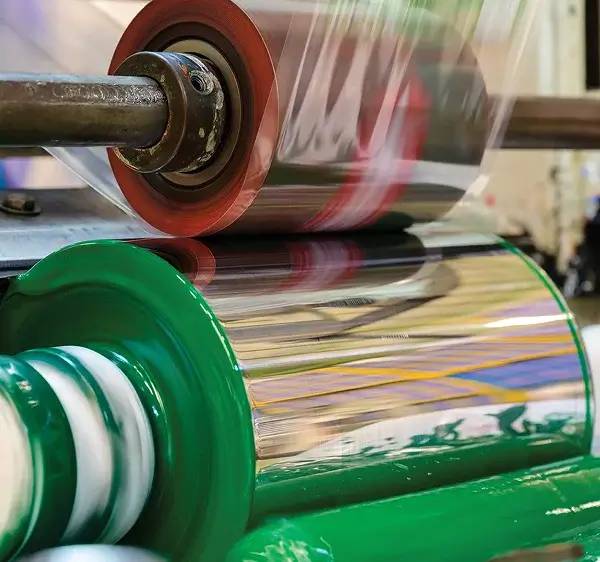
Gravure Printing
Premium-quality printing for very high-volume production.
UV Printing
Uses UV light to dry ink instantly for sharp and vibrant results.
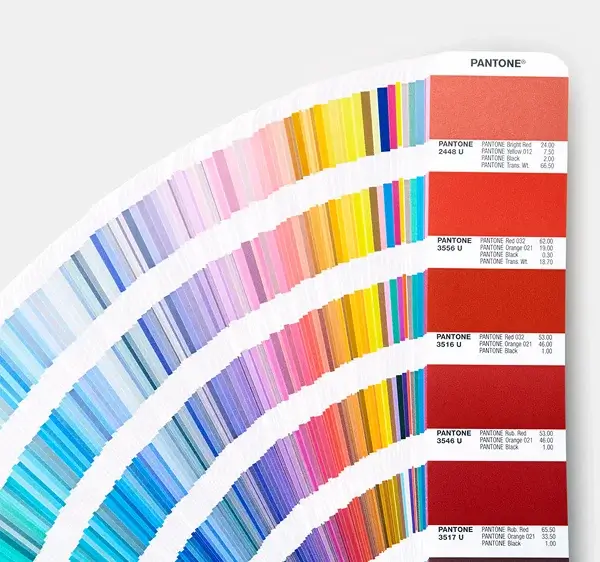
Pantone (PMS) Printing
Ensures exact color matching for brand consistency.
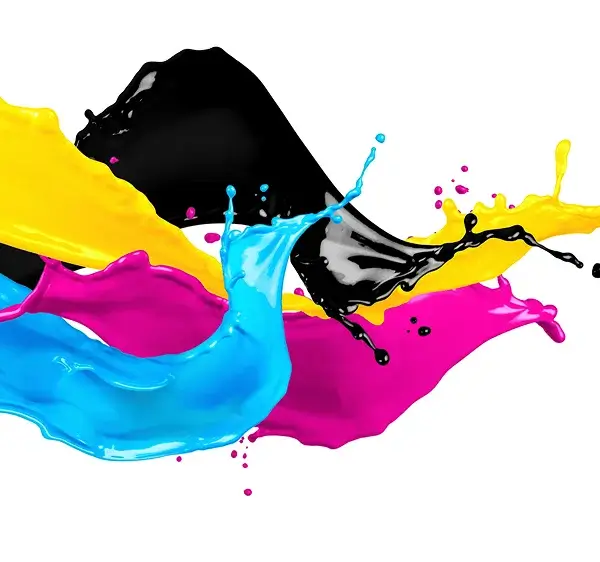
CMYK Printing
Standard full-color printing for detailed images and gradients.

Embossing
Raises parts of the design for a 3D textured effect.
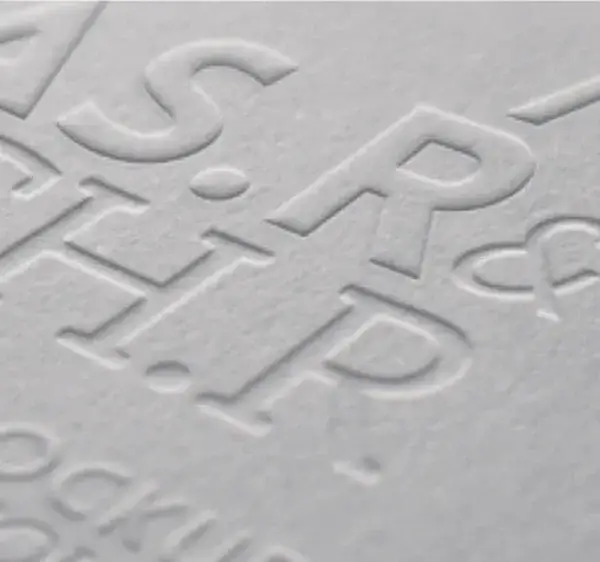
Debossing
Presses the design into the surface for a recessed look.
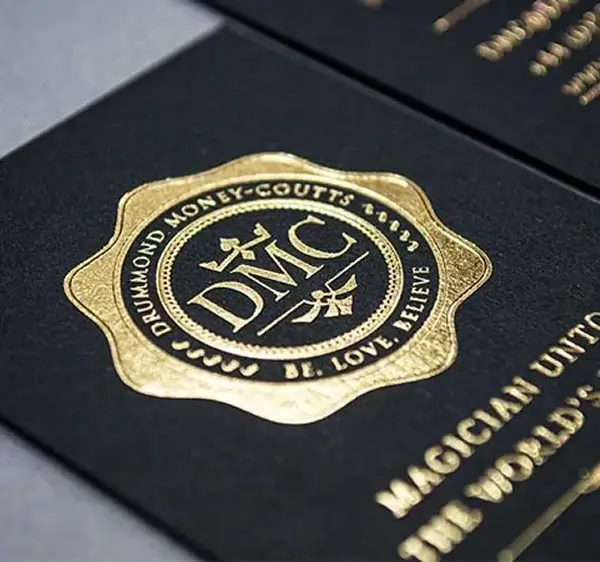
Foil Stamping
Adds metallic or colored foil for a shiny, luxurious touch.
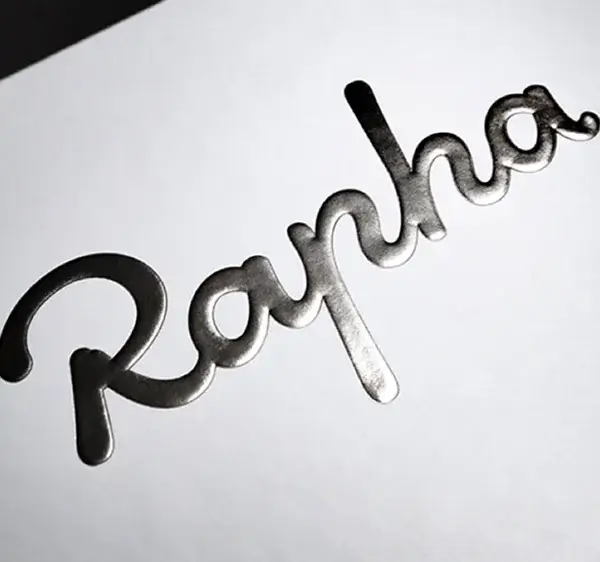
Raised Ink Printing
Gives a slightly lifted texture to printed elements.
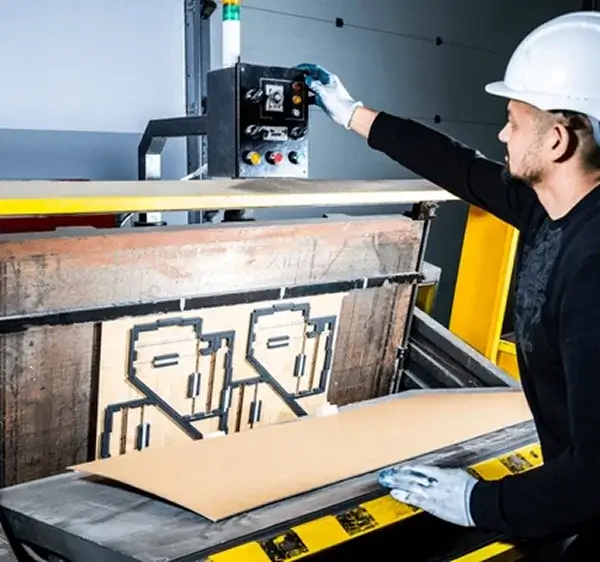
Die Cutting
Creates custom shapes, windows, or patterns on boxes.
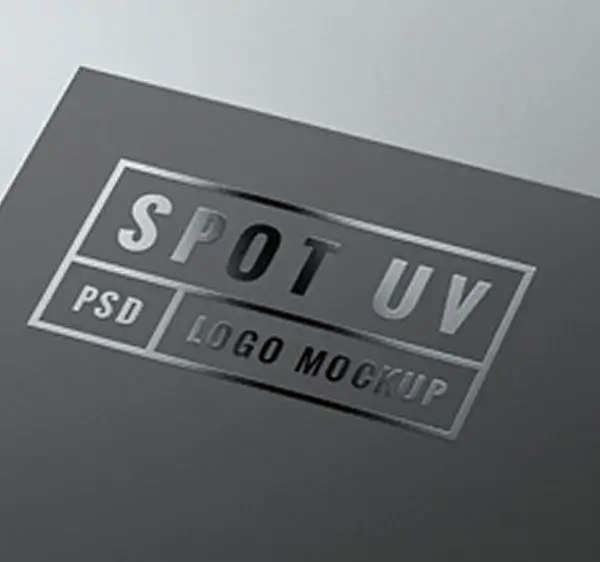
Spot UV
Applies glossy UV coating to highlight specific areas.
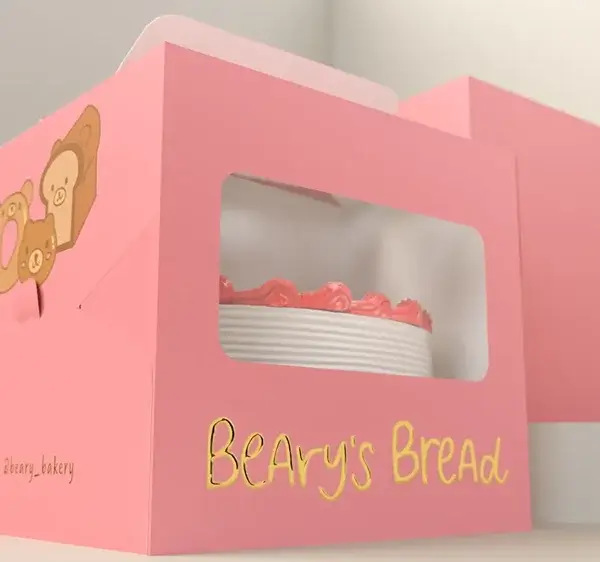
Window Patching
Adds a clear window to display the product inside.
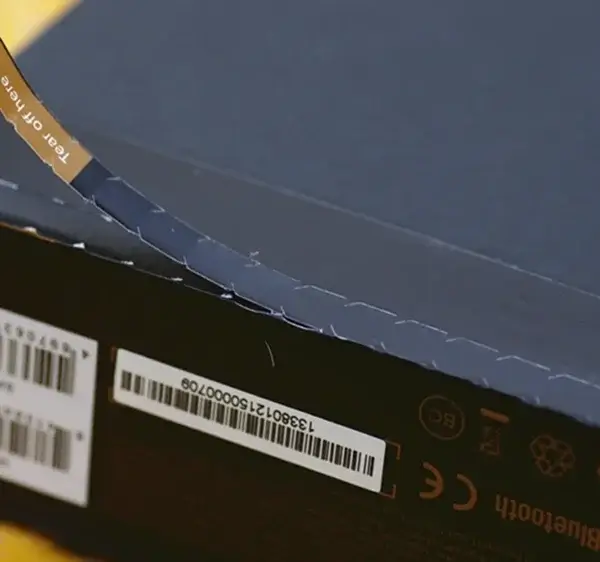
Perforation
Makes easy-tear or fold lines on packaging.
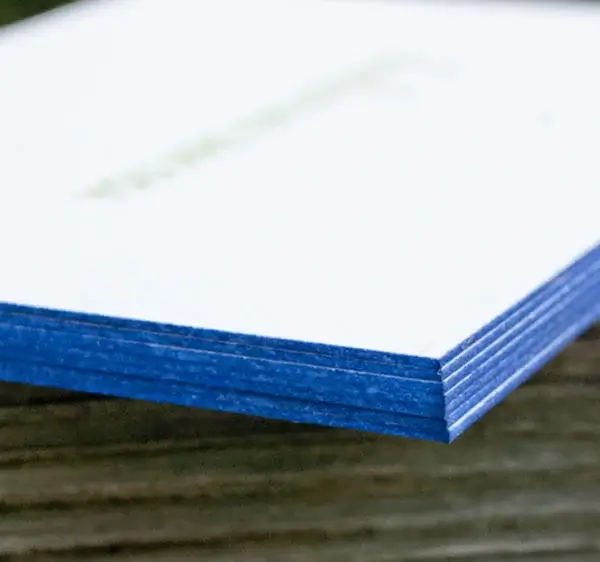
Edge Painting
Colors the edges of boxes for a unique, premium look.
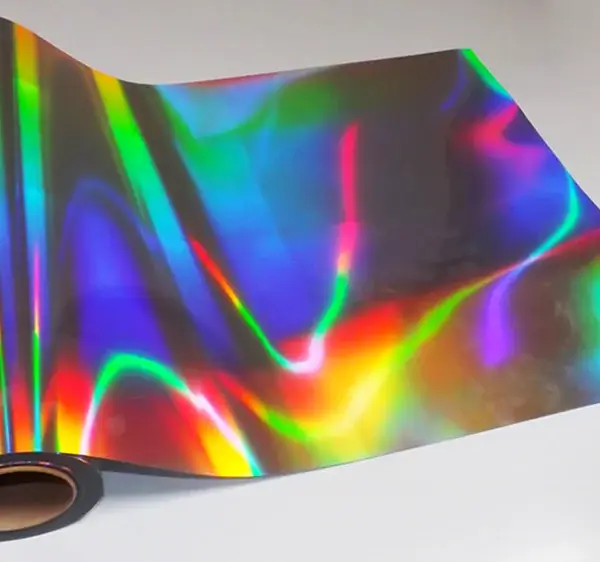
Holographic Finish
Adds a rainbow-like, reflective effect for an eye-catching design.
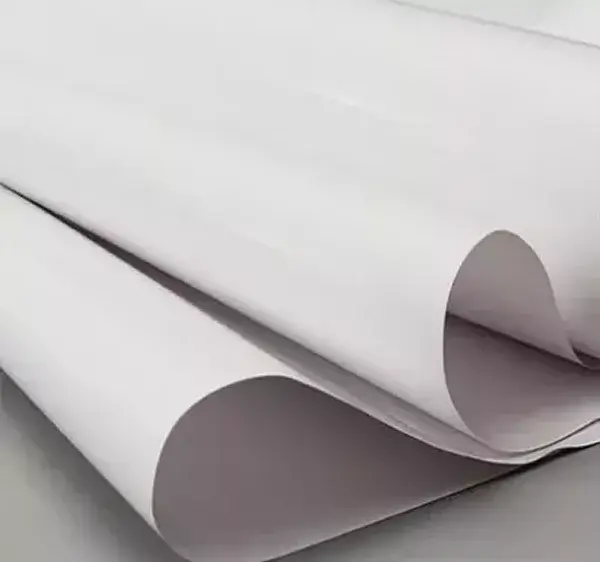
White Card (C1S / C2S)
Smooth, high-quality white surface coated on one or both sides.
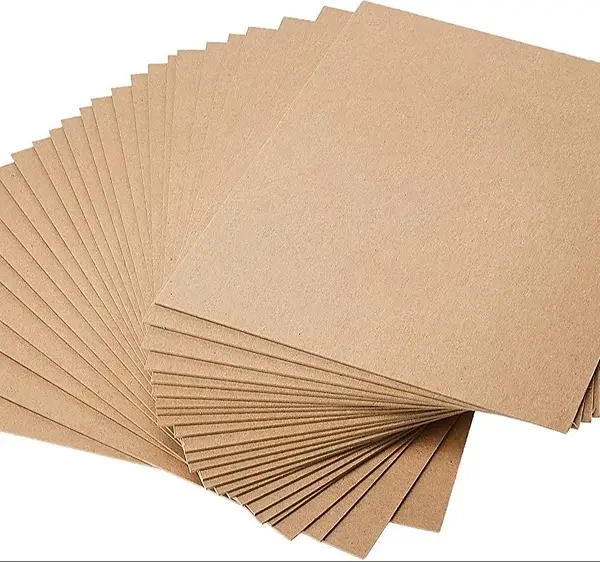
Kraft Paperboard
Eco-friendly brown board with a natural, rustic look.
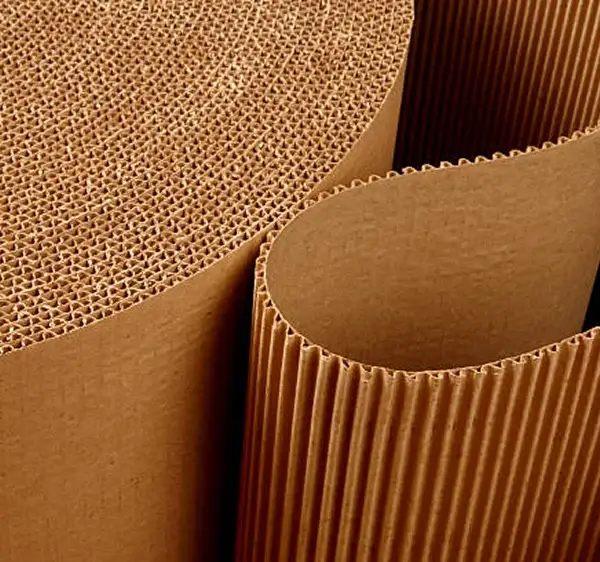
Corrugated Board
Strong, multi-layer board ideal for shipping or heavy products.
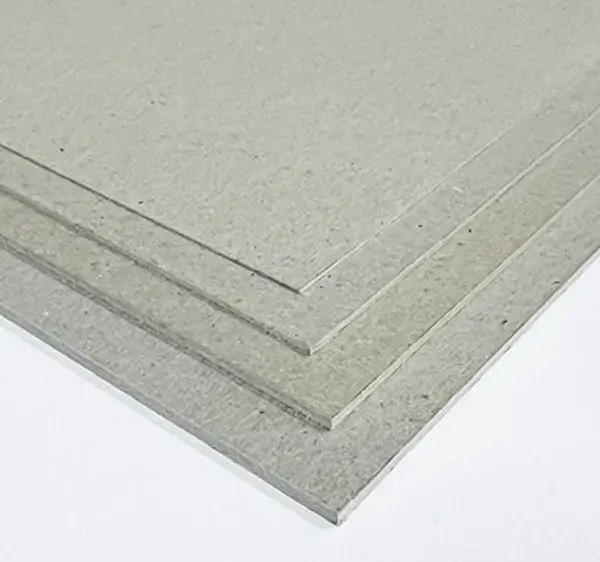
Rigid Board (Chipboard)
Thick, durable board used for luxury or gift boxes.
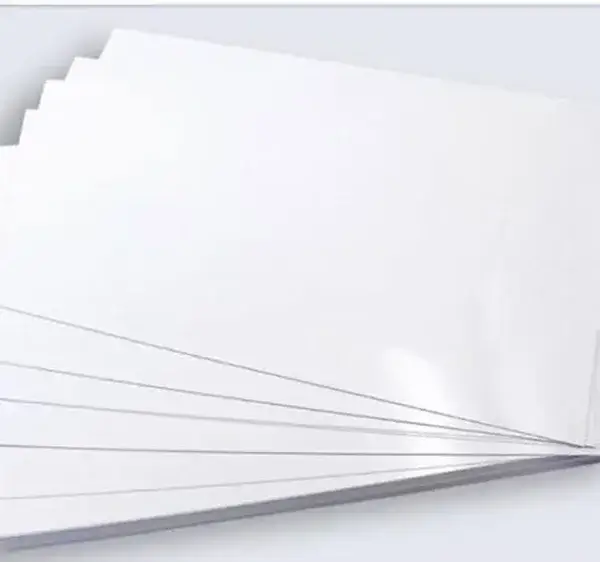
Art Paper
Smooth and glossy paper suitable for premium printing.
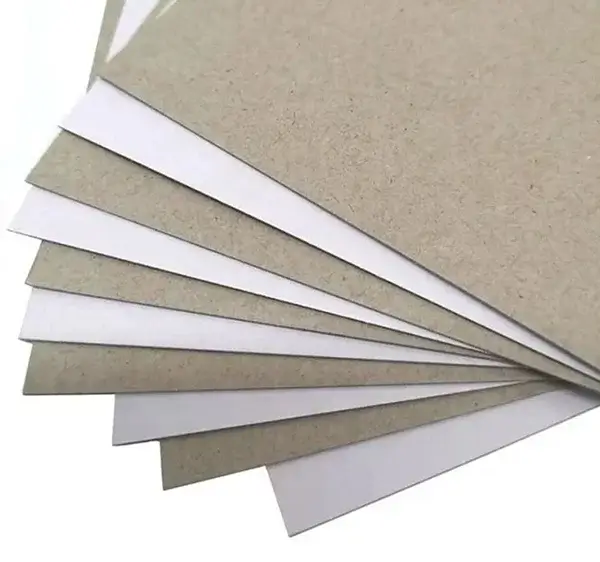
Duplex Board
White front and grey back; affordable and sturdy option.
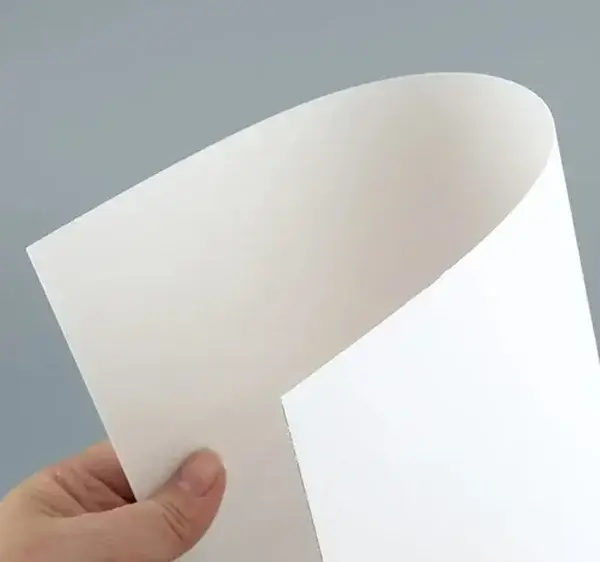
SBS (Solid Bleached Sulfate)
Bright white, high-end paperboard with great print quality.
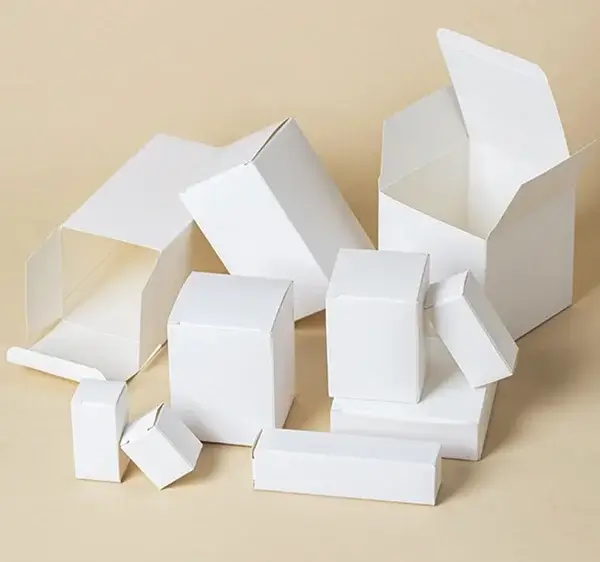
FBB (Folding Box Board)
Lightweight yet strong board perfect for retail boxes.
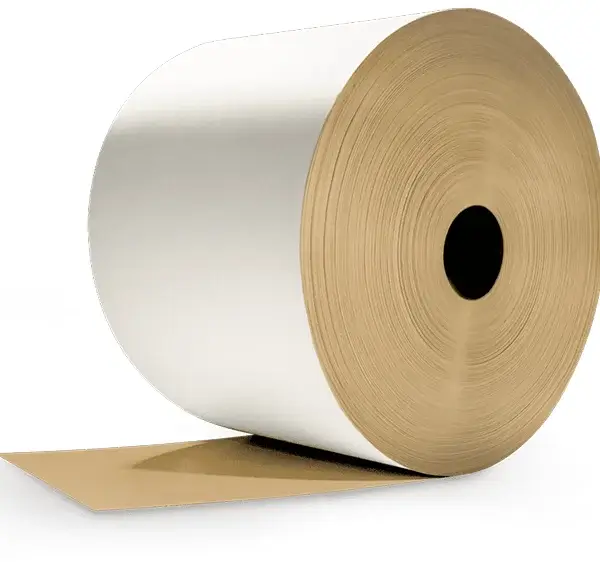
Recycled Paperboard
Made from post-consumer waste; eco-conscious choice.
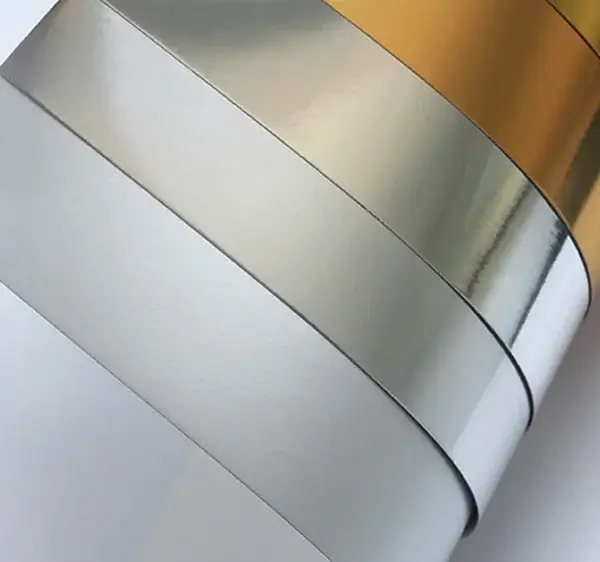
Metallic Paperboard
Shiny or reflective surface for a premium appearance.
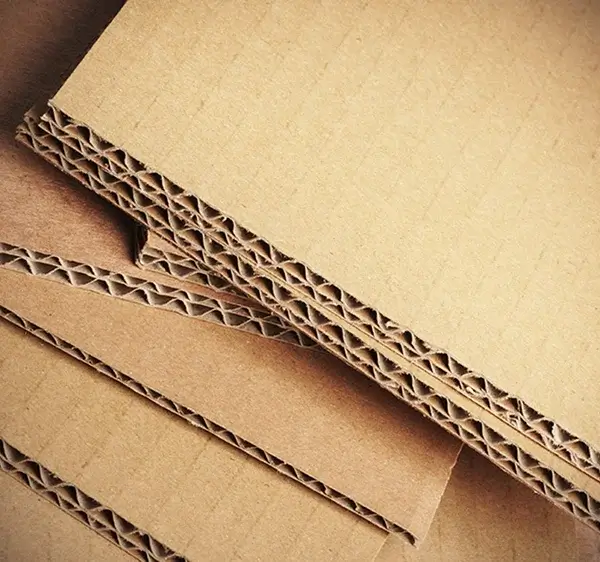
Cardboard
Lightweight and versatile material for retail packaging.
Corrugated Board
Durable, multi-layer material used for shipping boxes.
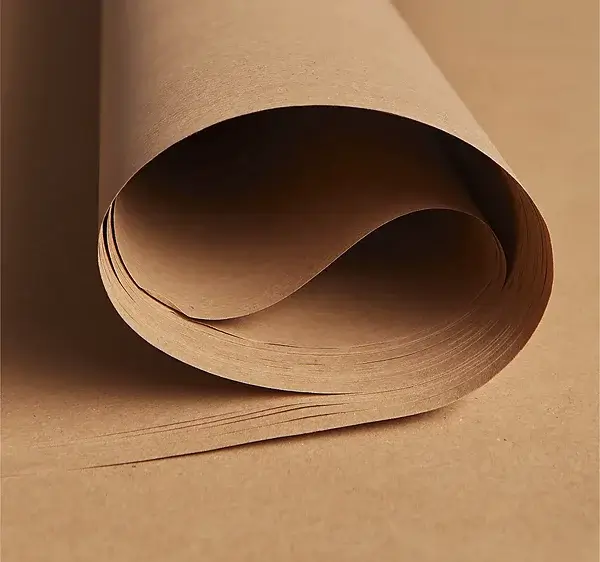
Kraft Paper
Eco-friendly brown paper with a natural, organic look.
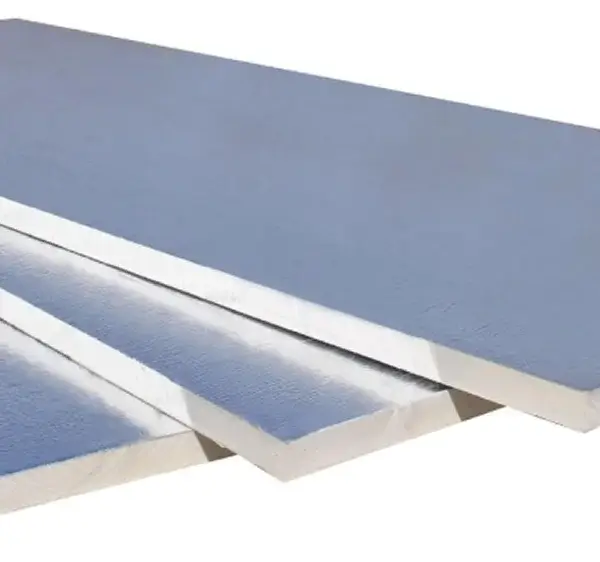
Rigid Board
Thick and sturdy material ideal for luxury or gift boxes.
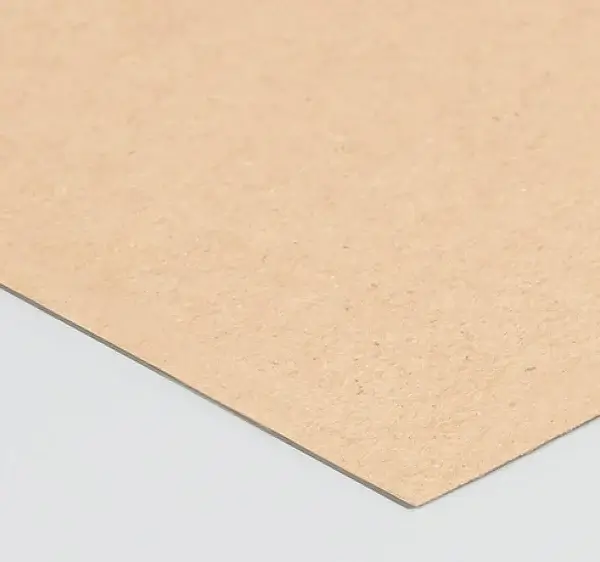
Paperboard
Smooth and printable material used for most retail boxes.
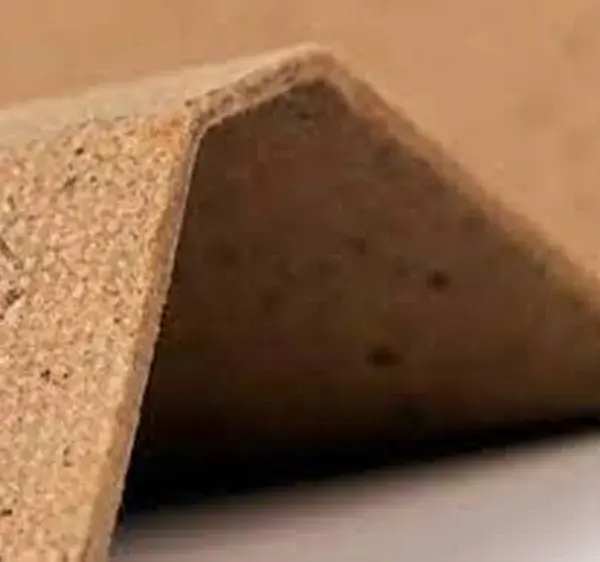
Recycled Material
Made from reused paper fibers; sustainable and cost-effective.
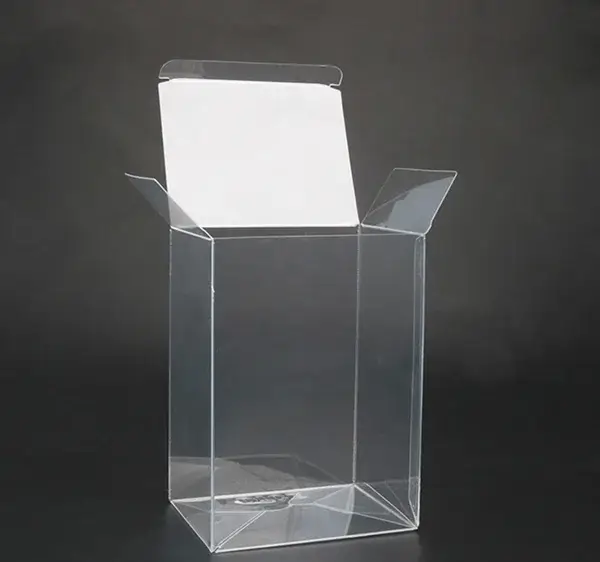
Plastic (PET / PVC)
Transparent or colored material for window or display boxes.
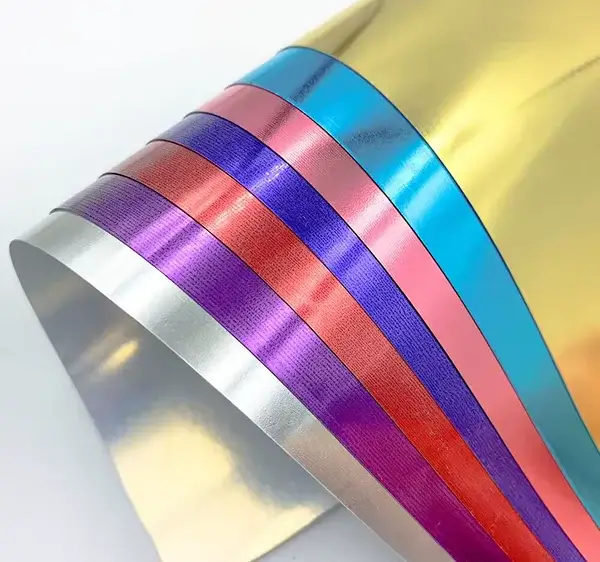
Metallic Paper
Shiny, reflective material for premium packaging.
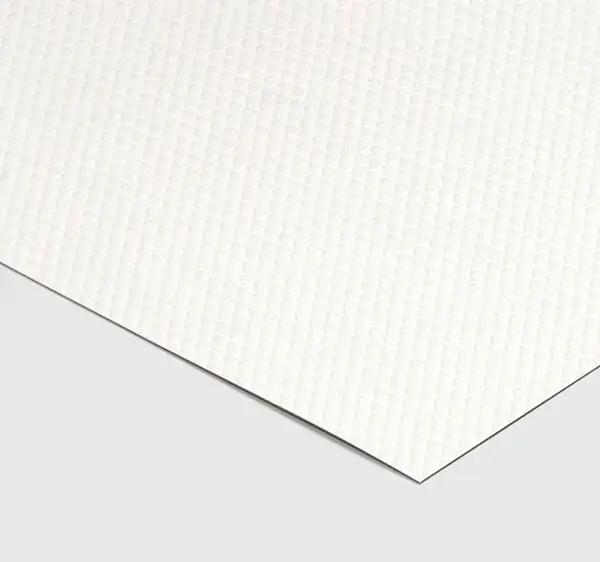
Textured Paper
Special surface finish that adds a unique tactile feel.
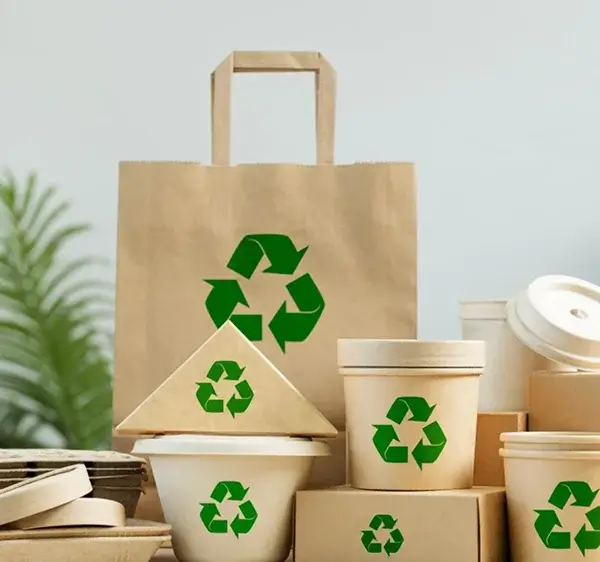
Eco-Friendly / Biodegradable Material
Environmentally safe and compostable option.
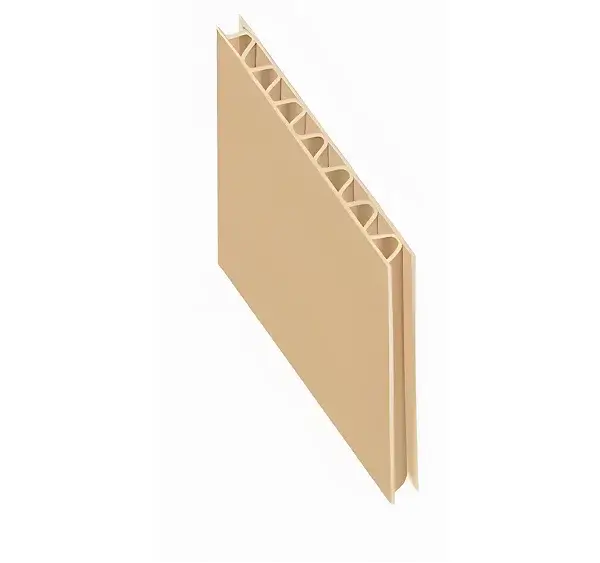
Single Wall (3-Ply)
Most common choice for shipping and retail boxes.
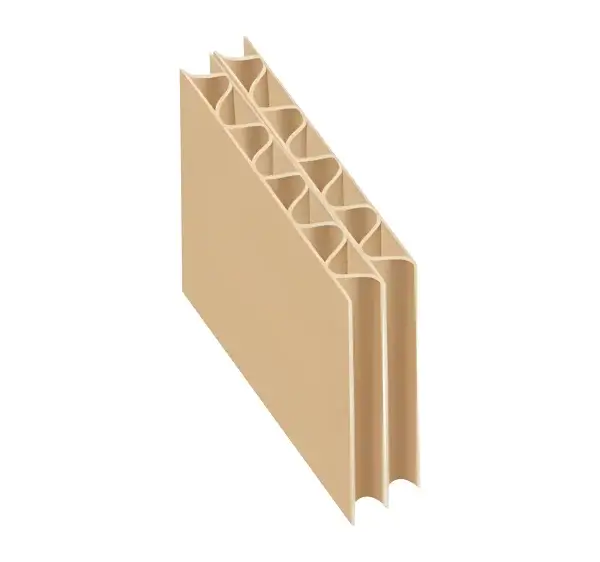
Double Wall (5-Ply)
Stronger option for heavy or fragile items.
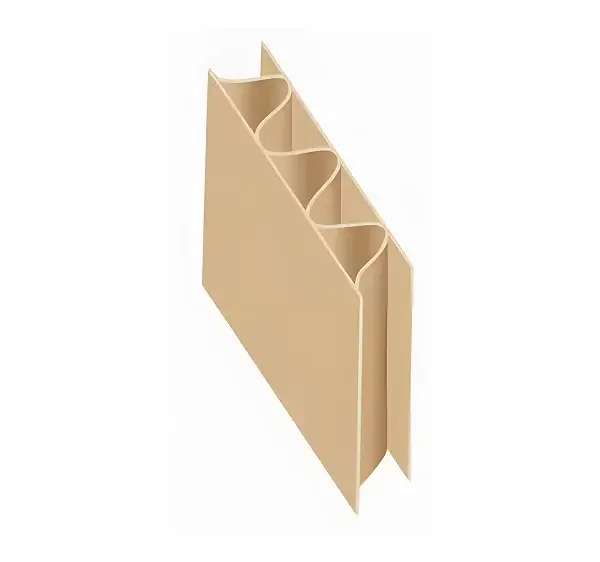
C-Flute
Standard flute with good strength and print quality balance.
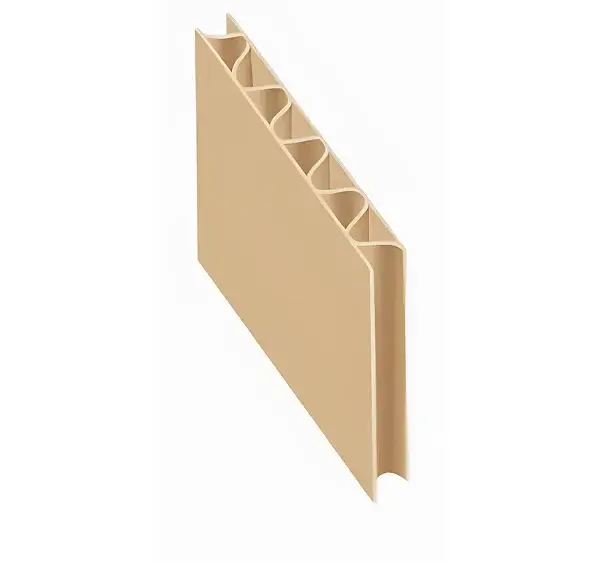
E-Flute
Thin and smooth surface ideal for custom printed retail boxes.
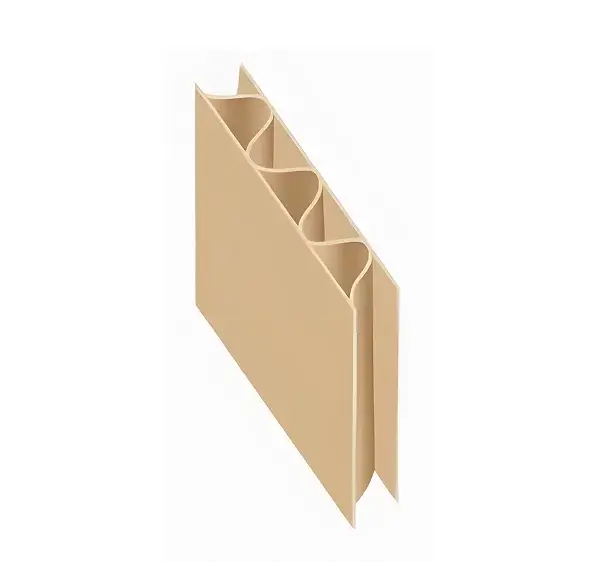
B-Flute
Compact flute great for die-cut and smaller packaging.
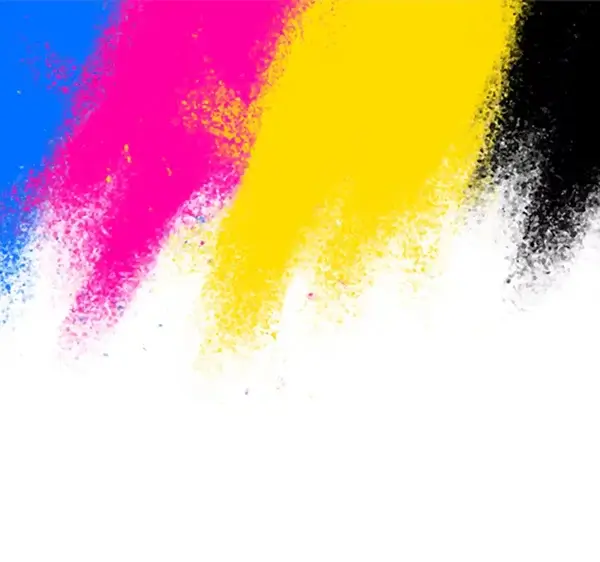
CMYK Ink
Standard full-color printing for vibrant designs.
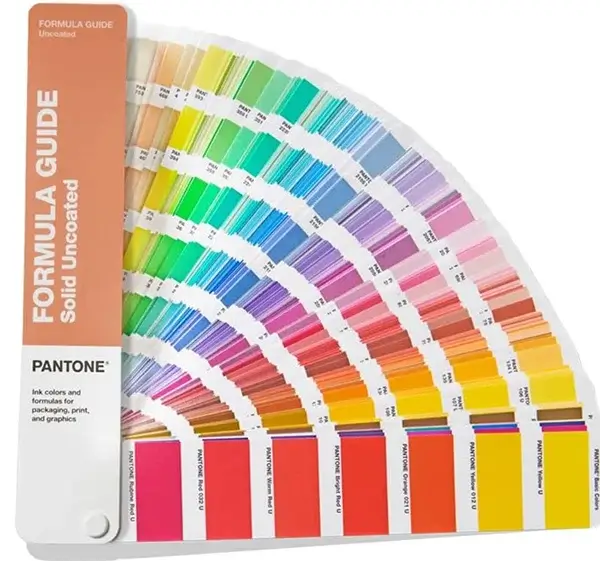
Pantone (PMS) Ink
Ensures exact and consistent brand colors.
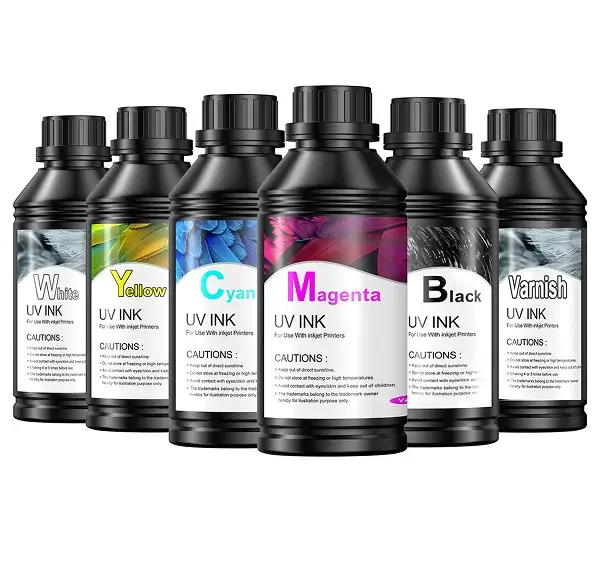
UV Ink
Produces sharp, glossy, and durable prints.
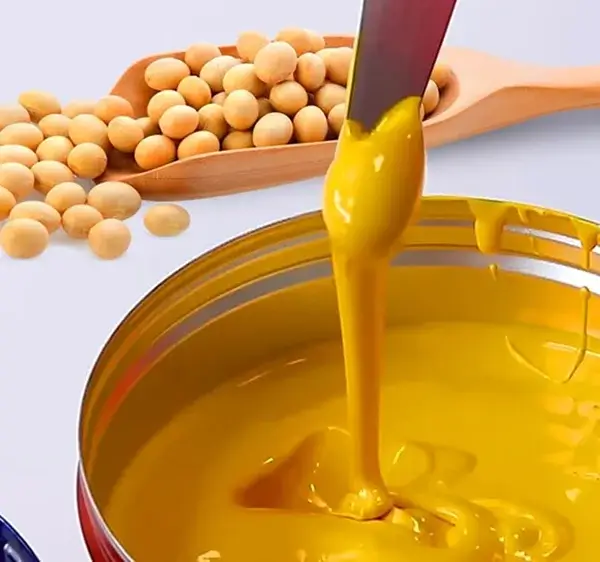
Soy-Based Ink
Eco-friendly option with rich, vivid colors.
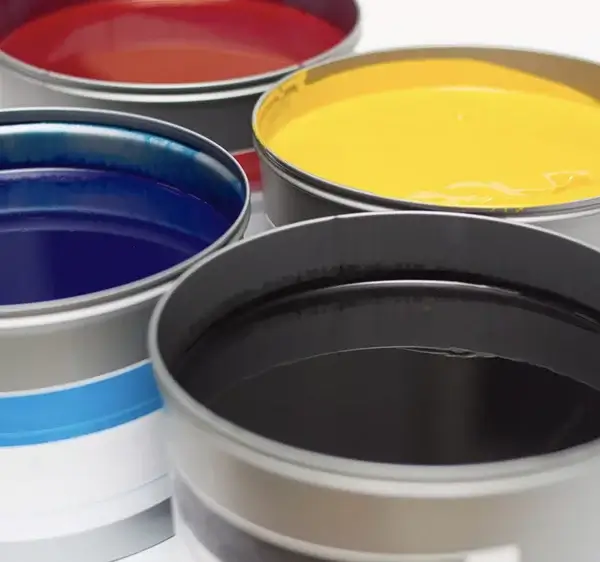
Water-Based Ink
Safe, sustainable, and great for eco packaging.




Frequently Asked Questions
Have any thoughts? Look here
Here at Boxo Packaging, we are going to contribute some of the best quality custom printed boxes that actually print your brand. Boxes are made from high-grade, responsibly sourced materials and constructed precisely to the digital design and dimensions.