
How to Use Mylar Bags for Food Storage: The Ultimate Guide by Boxo Packaging
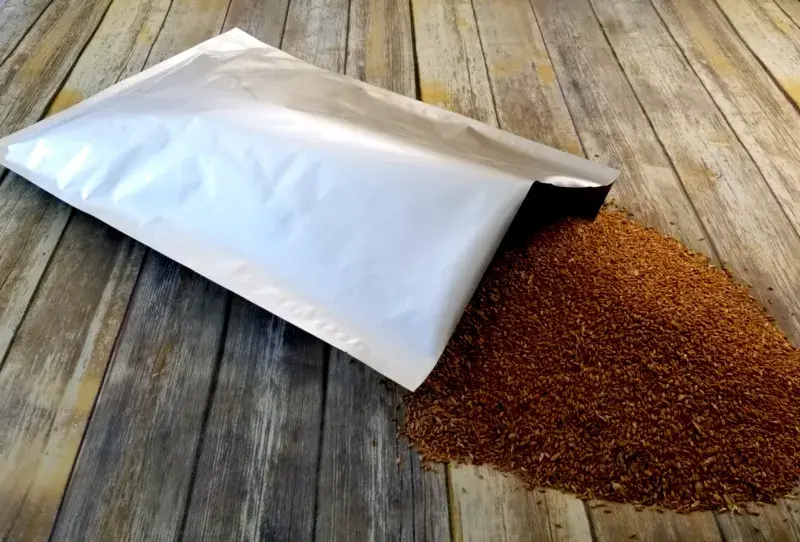
Mylar bags are one of the most effective, versatile, and reliable long-term food preservation tools available. If you are prepping for emergencies, trying to minimize food waste at home, or simply want your pantry organized until well into the next millennium, you need every tip on how to use these specialty bags because they provide an airtight, light-proof barrier.
Why Mylar for Food Storage?
Mylar is a type of polyester film that is recognized for being very strong and barrier-tight. Mylar bags, one of the most widely used long-term storage items, are virtually airtight as opposed to regular plastic storage bags, which allow oxygen and moisture into a package.
- Oxygen Barrier: Oxidation is the number one foe of stored food. When properly sealed, oxygen cannot enter Mylar bags.
- Light Protection: Sunlight will deteriorate nutrients and speed the breakdown of fats and oils. We love the opaque nature of Mylar, keeping your food in the dark.
- Moisture Resistance: Keep the ambient humidity at bay from your dry goods, stopping mold and spoilage dead in its tracks.
- Tough and Durable: They won't puncture, so they can handle long-term indoor storage in the less-traversed corners of your garage or basement.
Essential Supplies You Will Need
Being prepared helps make the process smoother and successful, so before you get started, gather some of these items:
- Use Only High-Quality Mylar Bags: These are food-grade bags designed for storage.
- Oxygen Absorbers: Very important. These are small sachets of iron powder that actually consume residual oxygen within the sealed bag.
- Heat Sealer: Hair straightener is used by some; however, a heat sealer designed for the job is much more consistent and gives an airtight seal.
- Food Containers (Optional): Seal items that have sharp edges (such as pasta) in a rigid container before placing them in the bag, to avoid any chance of punctures.
Step-by-Step: The Sealing Process
The proper technique distinguishes food that has a shelf-life of six months from food with the potential to last for thirty years. To accomplish this, you follow these steps.
Preparation of Dry Goods
Store only dry foods with a moisture content of less than 10%. Good examples include white rice, oats, dried beans, sugar, salt, and dehydrated fruits. Oil-based foods such as brown rice or nuts will go rancid fairly quickly, even when well-packed in ideal conditions, so NEVER store these types of food.
Loading the Bag
Fill the bag with your food, leaving at least two to three inches of headspace. It needs space for the bag to seal properly and for the oxygen absorber to fit comfortably in place. Make sure to keep the top edges of the bag free of contaminants, because if food particles get into the seal zone, it can create tiny openings that let air back in.
Adding the Oxygen Absorber
Do not insert the oxygen absorber until the last millisecond. These packets start the instant they come in contact with air. Put the right-sized packet into the bag quickly, and go directly to sealing.
Sealing the Bag
Press down hard across the opening with your impulse heat sealer. The seal must be both smooth and uniform. If your bag is very large, fold the top down just slightly before sealing, but this shouldn't be required with most standard consumer sizes.
Best Practices for Long-Term Success
If you want to keep your food storage in tip-top condition, use these expert ideas:
- Label Everything: You quickly forget what is in a black bag. Fill the bag and with a permanent marker, note down what it is, the date of storage on the bag, or on a label.
- Storage Environment: Mylar is durable, but it is not bulletproof. Keep the sealed bags in a cool, dry, dark place. If there is significant variation in temperature, it can eventually wear out the seals.
- Rodents: The bags are very strong, but rats can chew through just about anything. Putting those sealed bags in hard plastic totes or metal bins offers an additional line of defense against pests.
- Bubble Logs: Maintain a logbook, physical or digital spreadsheet of when you closed up your stock and when to turn items as needed (most don't get this 100% right, but it's still a good practice).
Here is When Professional Mylar Bag Quality Comes Into Play
Quality should never be neglected when you are sourcing your materials. Once again, using high-quality materials means you can trust the safety of your food storage for the whole shelf life it is intended to last. Whereas poorly manufactured products may tear microscopically or have insufficient sealing under heat, which results in wasted preservation.
The industry professionals at Boxo Packaging know these needs inside out. They offer home preppers and food businesses industrial-strength barrier solutions to ensure they are ready for anything. At Boxo Packaging, you can relax in the knowledge that your investment in food storage is safe with top-of-the-line supplies designed for maximum safety and durability.
Starting Your Journey
Learning to seal food in Resealable Mylar Bags is a straightforward technique that can really enhance your preparedness for emergencies at home. By using low-moisture foods, high-quality moisture absorbers, and achieving an excellent seal, you can store the nutrition and taste of your food for a very long time. Work at a steady pace, keep the pantry well-ordered, and have the confidence of a space that is at your disposal in any eventuality.